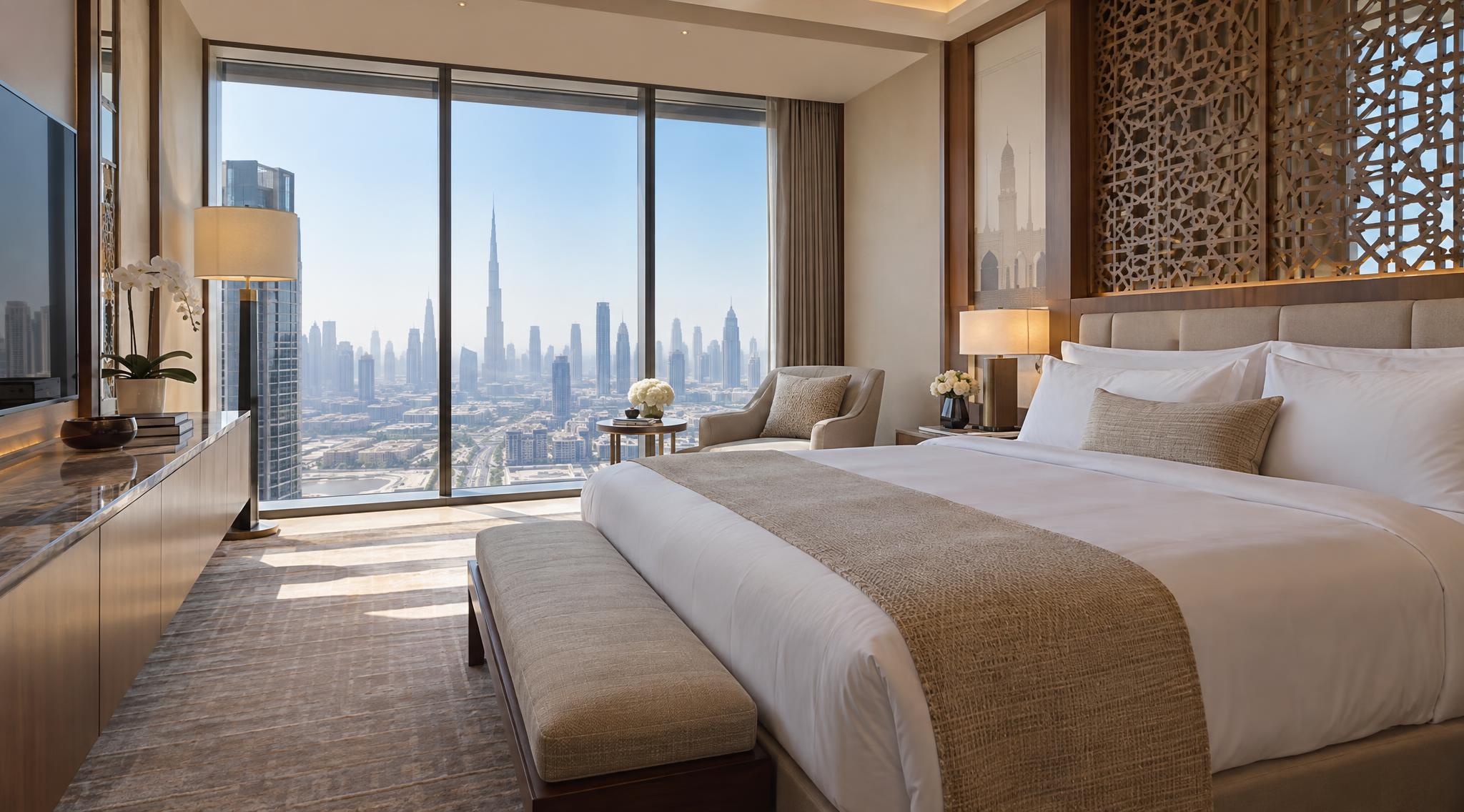
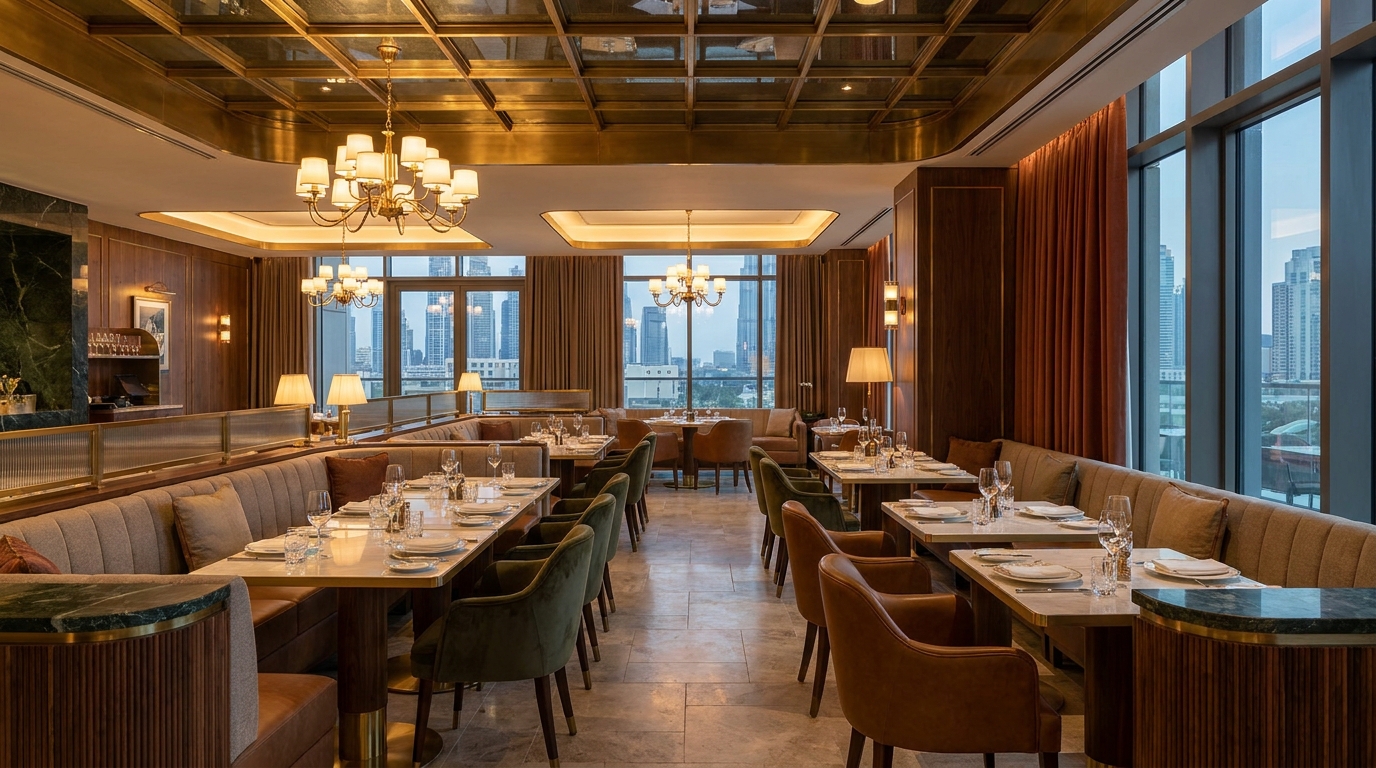
The Middle East hospitality sector is experiencing unprecedented growth. Dubai is adding over 5,000 hotel rooms across 19 properties in the second half of 2025 alone, while Saudi Arabia targets 362,000 new hotel rooms by 2030 under Vision 2030. Yet despite this momentum, hospitality furniture delivery remains one of the most critical challenges that can derail hotel openings, inflate budgets, and damage brand reputations.
Understanding why delays occur—and more importantly, how to prevent them—is essential for architects, interior designers, and project managers navigating this complex landscape. Here’s what actually works.
Understanding the Regional Delivery Challenge
The scale of construction activity in the GCC creates unprecedented demand pressure. Saudi Arabia’s furniture market was valued at USD 7.23 billion in 2024 and is projected to reach USD 9.48 billion by 2030, with the hospitality furniture segment growing at 7.10% CAGR—the fastest among all application segments.
This growth coincides with significant supply chain disruptions. Over 60% of furniture sold in the UAE and Saudi Arabia is sourced internationally, creating substantial dependency on global supply chains. Recent geopolitical tensions affecting shipping routes through the Red Sea have extended delivery times and increased costs for imported goods. Container ship transit through the Red Sea dropped 67% from the previous year, with vessels rerouted around the Cape of Good Hope, prolonging transit times by 30%.
For high-stakes projects where timing is everything, these delays translate directly to lost revenue and reputational risk.

Strategic Sourcing: The Hybrid Approach
Successful hospitality furniture delivery in the Middle East requires a balanced sourcing strategy that leverages both international quality and regional responsiveness.
Develop a mixed supplier portfolio. A strategic approach that harnesses both local and international sources creates a balanced supplier network capable of meeting tight deadlines while maintaining design integrity. This blended approach fulfills the cultural considerations important in the Saudi market while bringing in the assorted designer brands and high quality that international suppliers offer.
Consider regional manufacturers. Dubai hosts numerous established hospitality furniture suppliers including specialized contract furniture providers. These local suppliers offer distinct advantages: shorter lead times, reduced shipping costs, and easier communication for custom requirements. When time-sensitive projects demand flexibility, regional suppliers provide responsive solutions that international manufacturers cannot match.
Build supplier diversity. Working with multiple suppliers ensures backup options are readily available. For GCC projects, consider suppliers across UAE, Saudi Arabia, and other Gulf countries to mitigate country-specific risks and logistics challenges.
Navigating Customs and Documentation
Import complexity represents a significant delay risk that experienced project teams address proactively.
Secure proper documentation early. Importing furniture to Dubai and Jebel Ali requires navigating complex customs procedures. Import duty on furniture is typically 5% of the total cost (including insurance and freight), plus an additional 5% VAT. Required documents include commercial invoice, bill of lading, packing list, certificate of origin, and depending on furniture type, special import permits.
Obtain an import code. Importing furniture to the UAE requires an import code, which is vital for customs clearance. This requires a valid trade license for import and export, along with the general manager’s passport details and Emirates ID.
Work with experienced customs brokers. A knowledgeable customs clearance agent handles all communication with customs authorities, ensuring shipments follow regulations and experience fewer delays. Their expertise speeds up the customs clearance process—typically 1-2 days if documentation is correct—though inspections or missing paperwork can slow things down significantly.
Optimizing Logistics Infrastructure
Dubai’s position as a global trade hub offers strategic advantages for hospitality furniture delivery when properly leveraged.
Utilize free zone benefits. Locating inventory within Jebel Ali Free Zone provides 0% corporate and income tax for 15 years, 100% foreign ownership, duty-free imports and exports, and proximity to Jebel Ali Port—one of the world’s largest container ports. Strategic warehousing here enables hub-and-spoke distribution across the GCC.
Implement bonded warehousing strategies. Bonded warehousing enables duty-free import/export, cross-docking, re-export, and value-added services like kitting, labeling, and packaging. This approach allows businesses to store goods before paying duties, significantly improving cash flow management.
Choose logistics partners with regional expertise. Select third-party logistics providers with established networks across the GCC. Partners operating warehouses in multiple countries can strategically place inventory closer to project sites, reducing final delivery times and enabling more responsive service.

Installation Coordination Excellence
Even perfectly delivered furniture can create project delays without proper installation planning.
Conduct thorough site assessments. For UAE hotel projects, site visits should document general building layout, door and hallway dimensions, stairwell and elevator locations, room dimensions, staging and storage areas, access points, and potential hazards. Dubai properties often have unique access challenges requiring coordination with building management for elevator access and loading dock scheduling.
Plan for urban logistics constraints. Hotel FF&E installation in urban hubs like Dubai may involve added costs for access, storage, or local permits. Urban properties require more coordination for deliveries during construction phases when multiple trades are working simultaneously.
Hire experienced regional installers. Work with FF&E installation companies that understand regional requirements and have established teams. Local expertise ensures familiarity with building codes, access requirements, and coordination with property management—critical factors that separate smooth installations from delayed ones.
Financial and Contractual Protections
Contract structures must reflect the high stakes of hospitality furniture delivery timelines.
Include late delivery penalties. Contract protections are essential in the Middle East market where project scales are large and delays costly. Include penalties of 0.5% to 2% of unit price per calendar day or week of delay, with aggregate maximums typically ranging from 5% to 30% of contract value.
Budget for contingencies and market volatility. The GCC furniture market faces price volatility of imported hardwood and metals, with persistent input-cost inflation from labor, energy, and supplier price increases. Build realistic estimates plus 10% contingency based on current market rates and freight cost fluctuations.
Quality Control Adapted to Regional Conditions
The UAE’s intense sunlight, coastal humidity, and frequent temperature shifts create unique furniture durability requirements that demand specialized quality control.
Implement multi-stage inspections. Given the high import dependency, quality control must occur at multiple stages: initial production inspection at the manufacturer, during-production monitoring, final inspection before shipping, and container loading inspection. For international suppliers, consider hiring third-party inspection companies with Middle East experience.
Specify climate-appropriate materials. Specify UV-resistant materials that prevent color fading, rust-proof aluminum and stainless steel for coastal environments, and waterproof and breathable fabrics for poolside areas. These specifications prevent premature replacement and ensure long-term durability.
The Cost of Delays
Handover delays impact not only hotels’ return on investment but also expected first-year profitability. In the GCC’s competitive hospitality market, where over 67% of new hotel openings experience delays due to poor communication, contractor time pressures, and delayed sub-contractor activities, the financial implications are substantial.
For Saudi Arabia’s mega-projects under Vision 2030, delays affect entire development timelines. Dubai’s ambitious target to add 11,000+ hotel rooms between 2025-2026 means the city cannot afford widespread furniture procurement delays. With occupancy rates at 81% and strong visitor growth, delayed openings directly translate to lost revenue opportunities.
Your Path Forward
Avoiding delays in hospitality furniture delivery demands understanding region-specific challenges and implementing tailored solutions. Success requires hybrid sourcing strategies that balance international quality with regional responsiveness, extended buffer times accounting for shipping disruptions, mastery of customs procedures, strategic warehousing, and quality specifications adapted to the region’s climate.
At BE4 Design, we’ve built our reputation on seamless project execution—from concept to completion. Our expertise in navigating GCC logistics complexities, combined with access to 30+ premium furniture brands and established regional networks, ensures your project stays on schedule and on budget.
The Middle East hospitality sector presents extraordinary opportunities for those who master furniture procurement. Start planning early, build substantial buffers for international shipping disruptions, work with experienced regional partners, and implement rigorous quality control.
Your on-time opening in this booming market will prove the investment worthwhile.