The difference between hospitality furniture that thrives in the UAE and furniture that fails within twelve months often comes down to one critical factor: material selection. For interior designers and procurement managers working on hotel projects across Dubai, Abu Dhabi, and beyond, understanding how extreme climate, regulatory requirements, and cultural expectations intersect with material performance isn’t optional—it’s essential for project success.
European furniture specifications that work perfectly in temperate climates frequently fail spectacularly in the UAE. The culprit? A brutal combination of intense UV radiation, temperature extremes, and coastal salinity that accelerates material degradation at rates five times faster than in Europe. This guide breaks down exactly what works, what fails, and why—so your next project delivers lasting value instead of costly replacements.
The UAE Climate Reality: Three Critical Stress Factors
Before selecting any hospitality furniture materials, every specification must pass a three-point stress test unique to the UAE environment.
Thermal Shock creates the first challenge. Indoor air conditioning maintains 20°C while outdoor temperatures soar to 45°C, creating temperature differentials that cause warping in wood and cracking in veneers. Standard furniture construction simply can’t handle this daily expansion-contraction cycle. The solution requires engineered woods like E1-grade MDF or plywood, or kiln-dried hardwoods with carefully controlled 10% moisture content.
Saline Humidity presents an even more aggressive threat, particularly for coastal properties. Locations like Palm Jumeirah and Saadiyat Island face air that corrodes metal five times faster than inland areas. Standard 304 stainless steel, perfectly adequate in Europe, rusts from the inside out within two seasons. Marine-grade aluminum or 316 stainless steel becomes mandatory for any outdoor hospitality furniture application.
UV Radiation completes the triumvirate of material enemies. The UAE’s extreme UV index bleaches fabrics and brittles plastics with remarkable speed. Solution-dyed acrylics, where color is locked into the fiber core rather than applied to the surface, become essential for any outdoor upholstery that needs to maintain appearance beyond a single season.
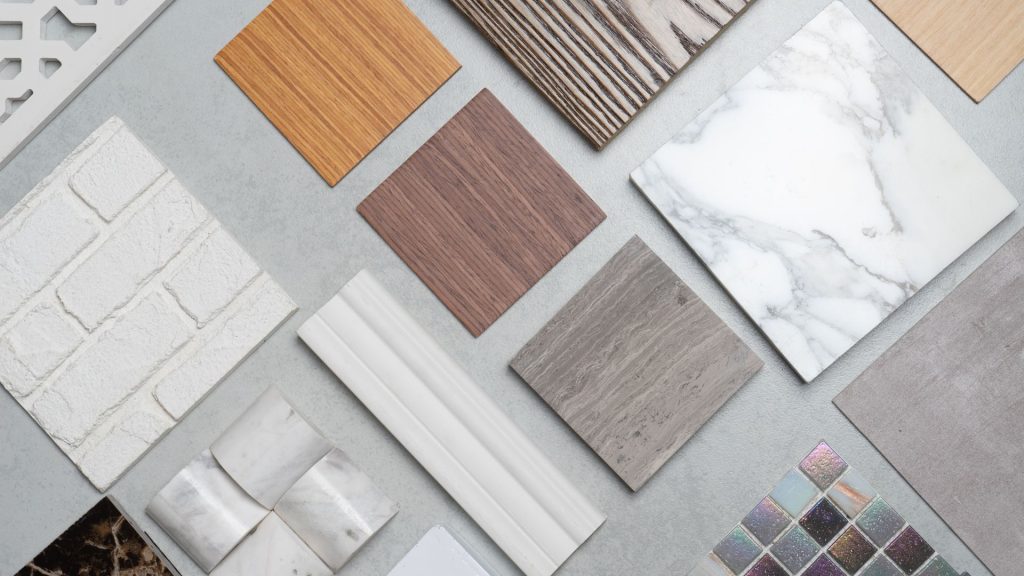
Outdoor Hospitality Furniture: The Sun and Salt Defense
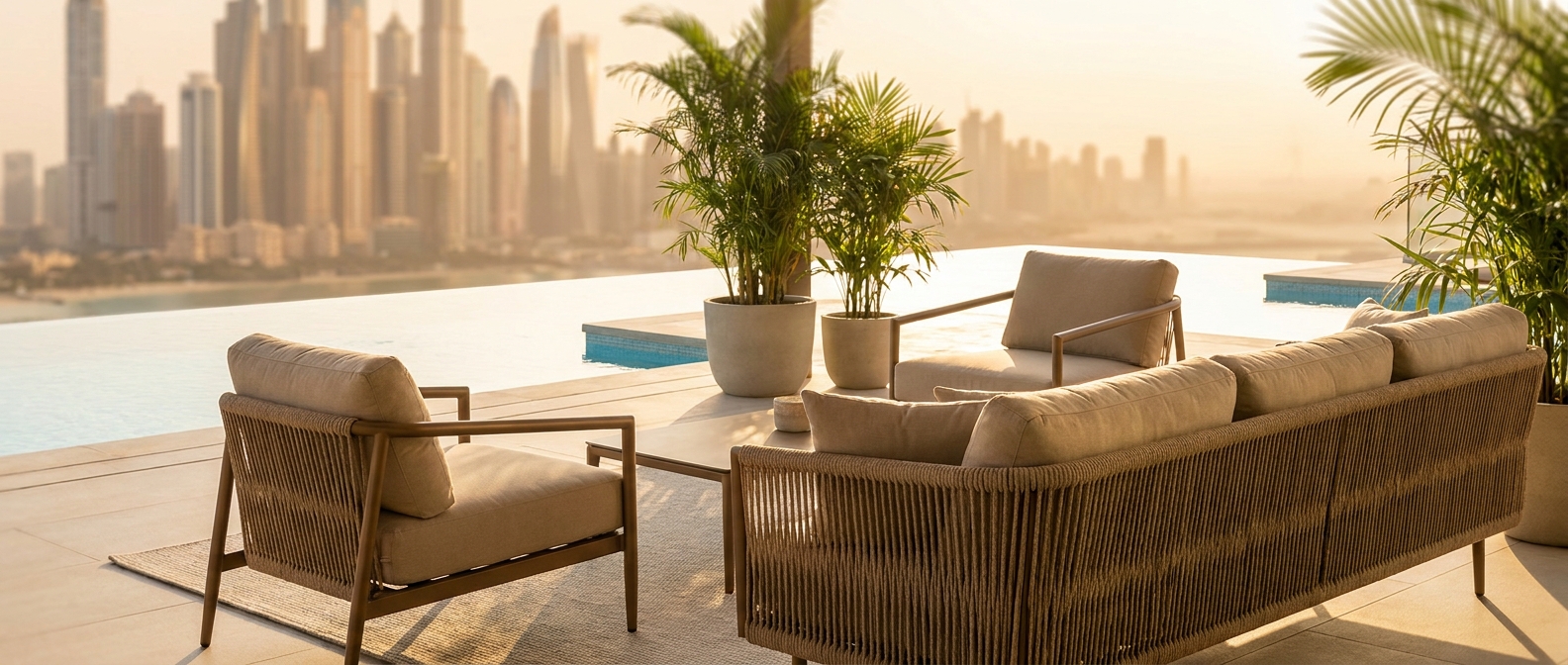
Beach clubs, pool decks, and terraces demand materials engineered specifically for punishment. The right specifications can extend furniture life from two years to a decade—a difference that transforms project economics entirely.
Structural Materials That Survive
Powder-coated aluminum represents the industry gold standard for outdoor hospitality furniture frames. It doesn’t rust, dissipates heat reasonably well, and maintains structural integrity in coastal environments. The critical specification detail: ensure the coating uses baked-on polyester powder coat for scratch resistance. Wrought iron or mild steel, even when painted, rusts from the inside out within two UAE seasons and should be avoided entirely for outdoor applications.
For woven elements, high-density polyethylene (HDPE) from branded manufacturers like Viro or Rehau provides UV-stabilized performance. Olefin rope offers excellent performance for the boho-luxury aesthetic popular in beach clubs, resisting mold while drying quickly. PVC rattan becomes brittle and cracks under UAE sun exposure through photodegradation and should be specified only for fully covered areas.
Grade A teak remains the only wood recommended for direct sun exposure in the UAE. Its natural oils repel water and resist decay. However, designers must inform clients that teak turns silver-grey within six months unless oiled every three to four months—a significant ongoing operational cost that many properties underestimate.
Outdoor Upholstery Specifications
Solution-dyed acrylic fabrics like Sunbrella have become the standard for outdoor hospitality furniture upholstery, but not all grades perform equally. Specify fabrics with a lightfastness rating of 7-8 on an 8-point scale, or demand a minimum five-year fade warranty in writing.
Foam selection proves equally critical. Reticulated quick-dry foam prevents the humidity entrapment that causes standard foam to develop internal mold growth, destroying cushions from the inside—a failure mode that often goes unnoticed until replacement becomes necessary.
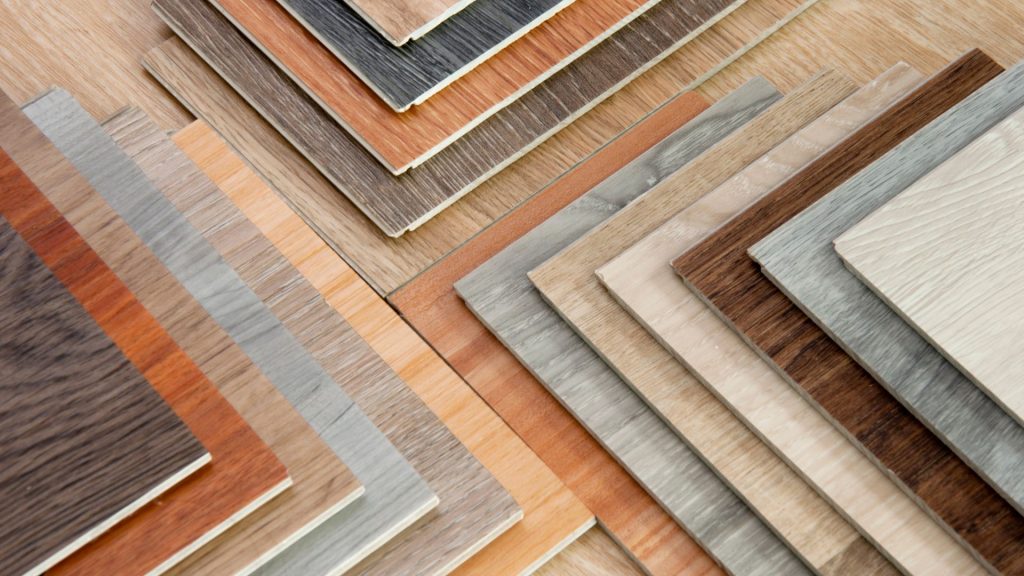
Indoor Hospitality Furniture: Luxury Meets Durability
Indoor specifications require balancing aesthetic expectations with performance requirements that far exceed residential standards.
Upholstery Performance Standards
Abrasion resistance specifications must account for the intensity of hospitality use. Standard residential ratings prove insufficient for UAE hotels. Guest rooms require fabrics rated for 30,000 Martindale cycles minimum. Lobbies and dining areas demand 50,000 Martindale cycles, with 80,000+ cycles ideal for 24/7 operations.
Velvet and suede remain extremely popular in UAE luxury hospitality design, but natural cotton velvets flatten and stain easily under commercial use. Specify synthetic blends—polyester or viscose—treated with stain repellents like Scotchgard, Crypton, or Aquaclean for maintainable performance.
Hard Surfaces and Finishes
Natural marble carries undeniable status appeal but creates practical challenges. For dining tables and high-use surfaces, quartz or porcelain slabs mimicking marble provide non-porous alternatives that resist the curry and saffron stains common in local F&B operations without requiring periodic sealing.
Wood finishes require careful consideration given AC-induced humidity fluctuations. High-pressure laminates or quality wood veneers applied to stable MDF cores prevent the warping issues that affect solid wood doors and tables in climate-controlled environments with variable moisture levels.
The Modern Majlis Specification
Cultural seating areas demand specific material considerations. The trend toward “minimalist luxury” in modern majlis design requires lower-profile seating at 40cm height with deep 95cm+ depths. Heavyweight jacquards or chenille fabrics provide the substantial feel expected in these spaces, while contrast piping and metallic accents using brass or gold PVD coating align with contemporary aesthetic preferences over traditional heavy wood carving.
Critical Compliance: Fire Safety Requirements
The UAE Fire and Life Safety Code of Practice, strictly enforced by Civil Defense, makes fire certification non-negotiable for hospitality furniture in public spaces. All upholstered furniture in lobbies, corridors, and restaurants requires valid Civil Defense certification documentation.
Fabrics must meet BS 5852 Source 5/Crib 5 or EN 1021-1/2 standards. While US specifications like NFPA 260 or CAL 117 may be accepted, Crib 5 represents the safer benchmark for UAE five-star standards. Foam specifications must use CMHR (Combustion Modified High Resilience) foam to meet code requirements.
The procurement implication: explicitly state in tender documents that vendors must provide valid UAE Civil Defense Certification for all proposed upholstered items. Suppliers unable to provide immediate certification documentation represent unacceptable project risk.
Sustainability Considerations
Sustainability has moved from optional consideration to core requirement under the UAE’s Net Zero 2050 charter. For Abu Dhabi projects, materials contribute directly to Estidama Pearl Rating System performance, making specification decisions impact overall project certification.
Request FSC (Forest Stewardship Council) certification for all wood materials to ensure sourcing from responsibly managed forests rather than illegal logging operations. Locally sourced materials reduce carbon footprint while supporting regional sustainability goals. Using recycled PET fabrics for outdoor cushions appeals increasingly to eco-conscious guests while meeting circular economy objectives.
Total Cost of Ownership Analysis
Initial cost comparisons mislead without lifecycle analysis. A 20% premium for solution-dyed acrylics or powder-coated aluminum extends asset life by three to five years compared to standard polyester or steel, which corrode or fade rapidly in coastal UAE zones.
Consider the complete picture: PVC rattan costs less initially but requires replacement annually. Powder-coated aluminum carries medium-high initial cost but delivers seven to ten years of low-maintenance service. Grade A teak represents the highest initial investment but provides 15-year lifespan—though the ongoing oiling maintenance creates operational expense that must factor into total cost calculations.
Marine-grade 316 stainless steel commands premium pricing but delivers 20-year performance in the harshest coastal environments, making it the optimal choice for luxury beachfront properties where replacement disruption outweighs initial investment.
Essential Procurement Checklist
Before finalizing any hospitality furniture specification, verify:
- Civil Defense Certification: Do all fabrics and foams include valid UAE Civil Defense certificates?
- Martindale Testing: Is upholstery rated for 50,000+ rubs for public areas?
- UV Warranty: Does outdoor fabric include written three-to-five-year fade warranty?
- Foam Specification: Is outdoor foam specified as quick-dry/reticulated?
- Real-World Testing: Has a sample been placed on the property roof for two weeks to confirm UAE performance?
That final point—the roof test—reveals material performance reality faster than any laboratory certification. Fabrics that fade, metals that overheat, plastics that become brittle: two weeks of UAE sun exposure separates theoretical specifications from practical performance.
Strategic Material Selection for Long-Term Success
Material selection for hospitality furniture in the UAE demands understanding that this market operates under fundamentally different rules than temperate climates. The “buy cheap, buy twice” principle applies with particular force here, where environmental conditions accelerate failure modes and replacement costs compound rapidly.
Success requires shifting procurement focus from initial cost to total cost of ownership. The materials that survive UAE conditions—marine-grade metals, solution-dyed fabrics, properly specified foams, compliance-certified upholstery—carry premium pricing for documented reasons. They represent not added expense but risk mitigation and long-term value protection.
At BE4 Design, our two decades of experience in UAE hospitality furniture procurement means we’ve witnessed both spectacular failures and enduring successes. We understand which specifications work, which suppliers deliver on promises, and how to navigate the compliance requirements that can delay projects when handled incorrectly. Our access to 30+ premium furniture brands, combined with deep knowledge of material performance in Middle East conditions, positions us to guide designers and procurement managers toward selections that deliver both immediate aesthetic impact and long-term operational value.
The UAE hospitality market demands material excellence. The question is whether your specifications will meet that demand—or require costly replacements when they fail.