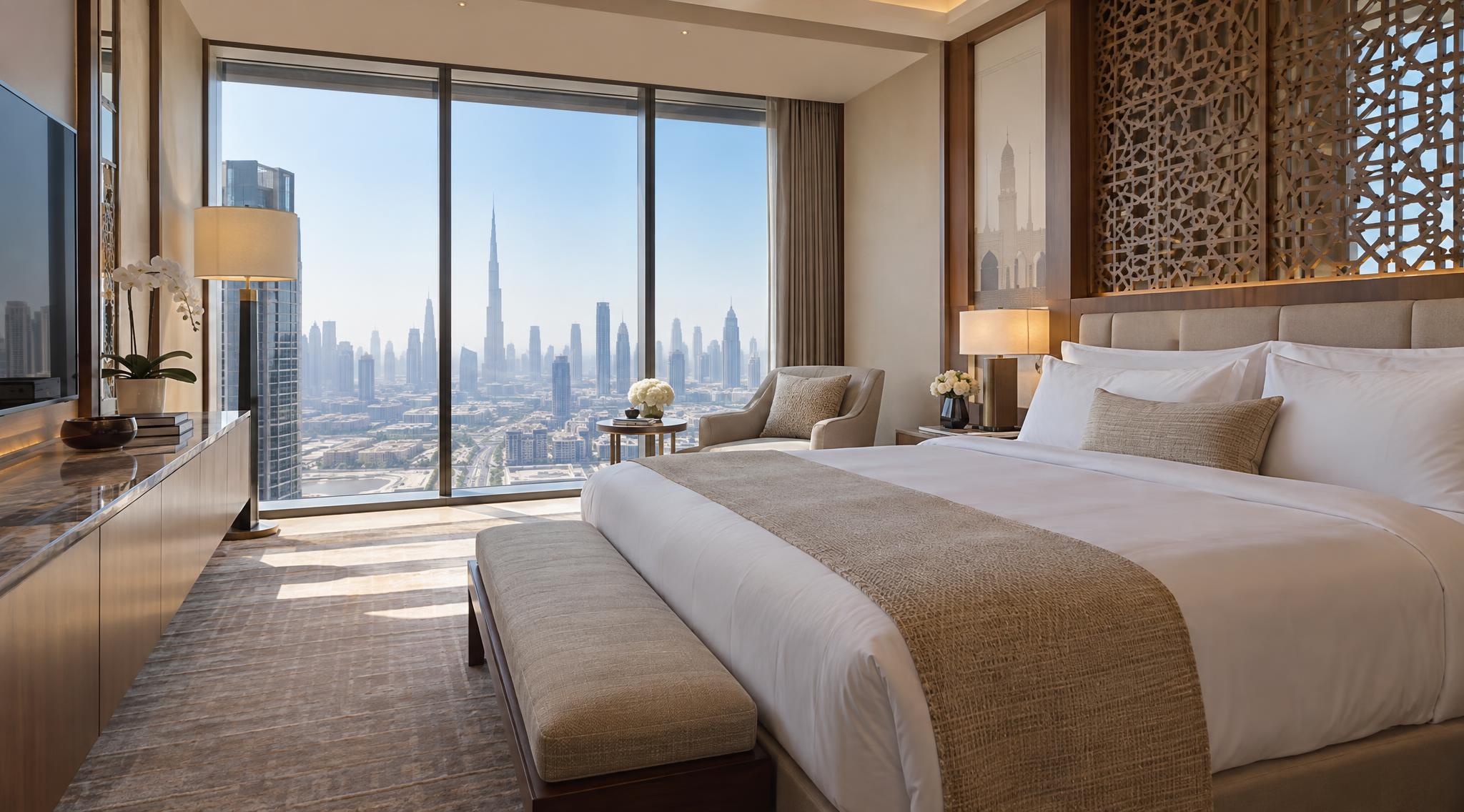
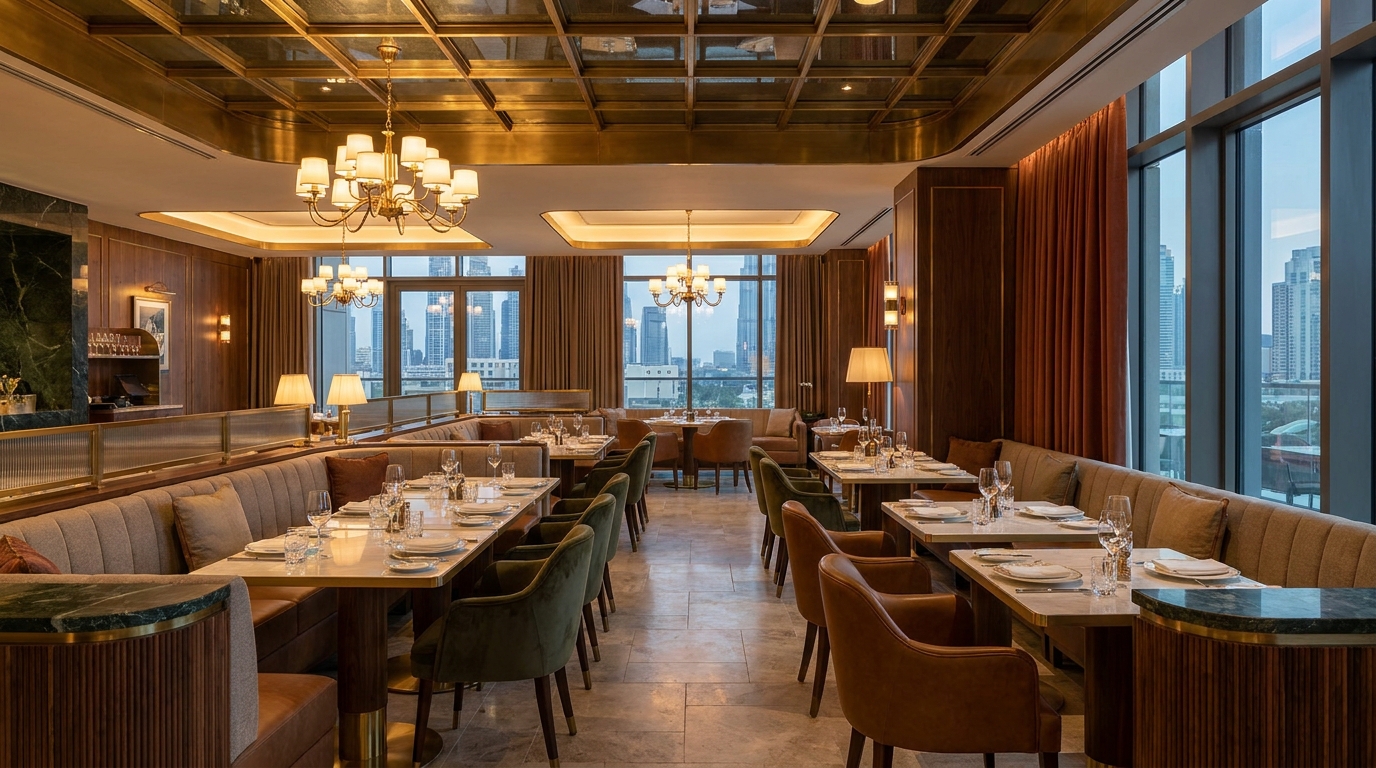
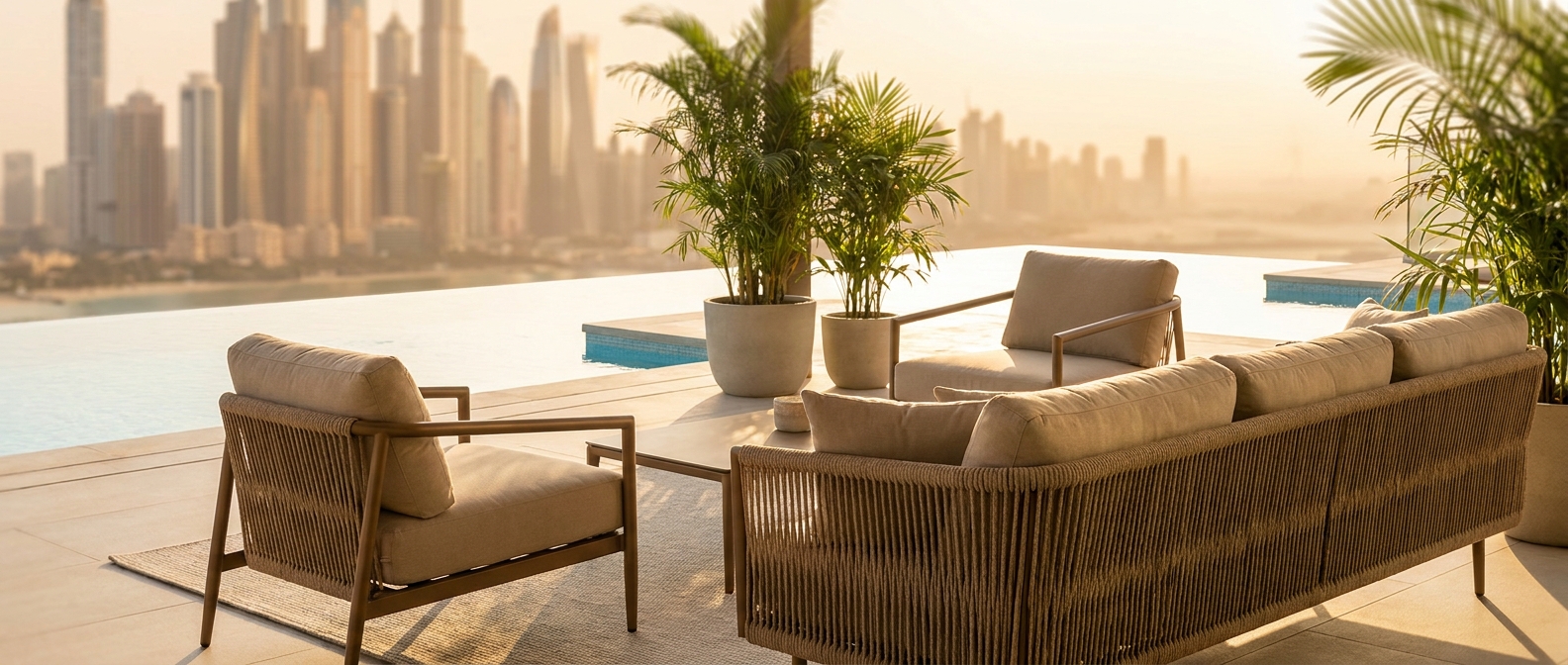
The Middle East hospitality sector stands at an unprecedented crossroads. With the region’s hospitality market projected to surge from $310 billion in 2025 to over $487 billion by 2032, hotels and resorts face mounting pressure to create spaces that deliver both luxury and adaptability. The solution reshaping how properties optimize space, enhance guest experiences, and maintain operational efficiency? Modular furniture.
From Saudi Arabia’s ambitious Vision 2030 mega-projects to Dubai’s ever-expanding hotel landscape, the shift toward flexible design solutions represents more than a trend—it’s a fundamental reimagining of hospitality spaces.
Meeting the Demands of Explosive Growth
The numbers tell a compelling story. Saudi Arabia leads the region with over 92,000 hotel rooms across 342 projects currently under development, followed by Egypt with 28,000 rooms and the UAE with 25,470 rooms. By 2030, the Kingdom alone aims to deliver 362,000 new hotel rooms as part of its $110 billion hospitality sector transformation.
These ambitious timelines demand furniture solutions that deploy rapidly, adapt easily, and scale efficiently. Traditional procurement cycles cannot match the pace these transformative projects require. Modular furniture addresses this challenge directly—offering pre-fabricated systems designed for quick assembly that dramatically reduce installation time compared to conventional pieces.
For hotels racing toward opening deadlines or managing renovations, this speed-to-market capability translates to earlier revenue generation. When Saudi Arabia needs 100,000 new hotel rooms for Expo 2030 alone, the ability to furnish properties efficiently becomes a competitive advantage.
Space Optimization Where Every Meter Counts
Urban centers across the Middle East—particularly Dubai, Riyadh, and Doha—face premium real estate costs that make every square meter count. Modular furniture maximizes functionality without compromising guest comfort through intelligent design.
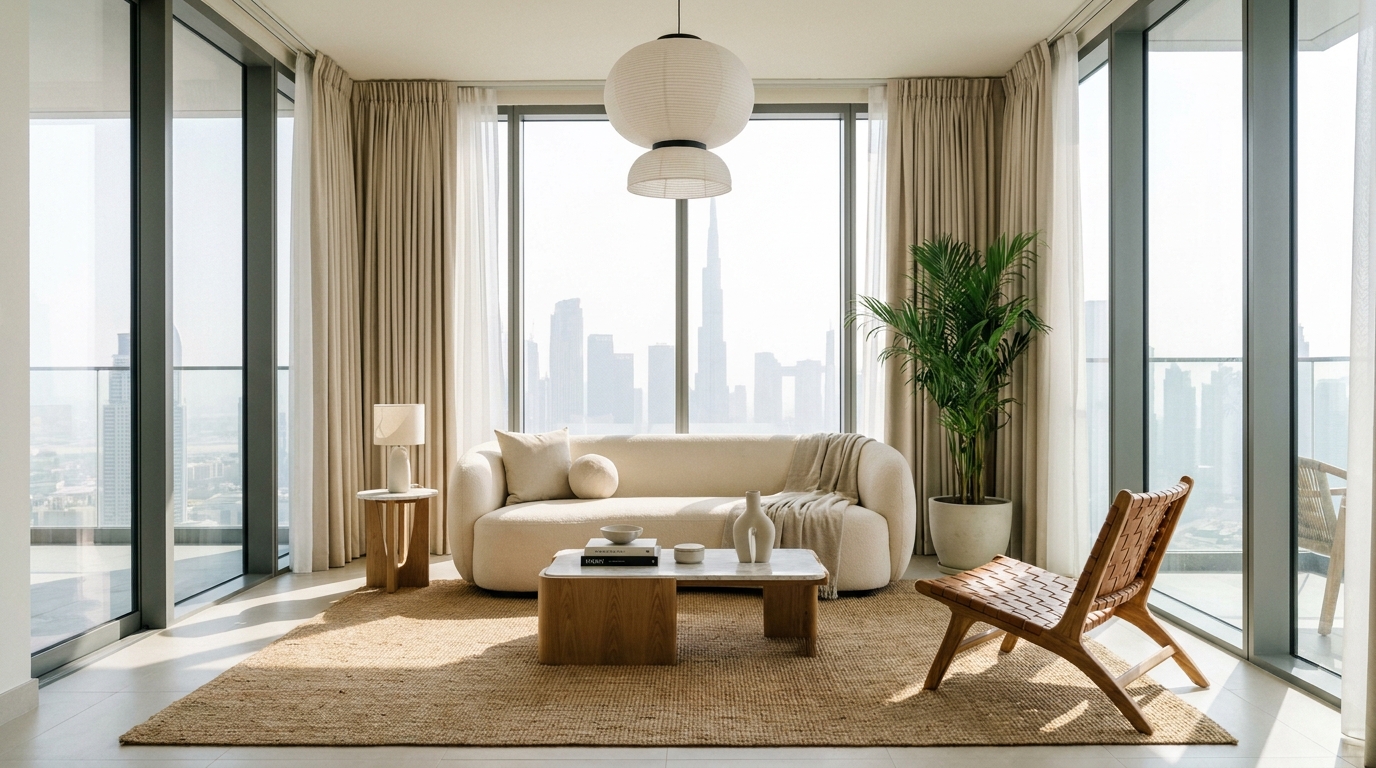
In city hotels where space commands premium pricing, modular pieces offer transformative solutions. A modular sofa reconfigures from intimate seating for business travelers to expanded lounges for families. Desks fold away when not needed, creating open floor plans that make compact rooms feel spacious. Multi-functional workstations integrate charging stations, storage, and adjustable surfaces—eliminating separate furniture pieces while enhancing functionality.
This space efficiency proves particularly valuable in the Middle East market, where hotels must balance luxury expectations with practical space constraints in high-density urban developments.
Cost Efficiency Beyond Initial Investment
The financial advantages of modular furniture extend far beyond purchase prices. Hotels implementing modular systems report significant long-term savings through component-based replacement.
When traditional furniture shows wear, entire pieces typically require replacement. Modular furniture allows properties to swap only damaged components—a cushion, cover, or panel—extending furniture lifespan while reducing replacement costs by up to two-thirds. Covers can be removed, cleaned, or replaced on-site without removal downtime, helping hotels maintain brand standards more economically.
For growing hotel chains, modular systems support scalable expansion. Standardized components replicate easily across properties, reducing procurement complexity and ensuring design consistency while achieving economies of scale.

Adaptability for Evolving Guest Expectations
Modern hospitality has evolved beyond simple accommodation. Today’s hotels serve as workspaces, social hubs, event venues, and wellness sanctuaries—often within the same footprint. Modular furniture provides the flexibility these hybrid spaces demand.
The UAE leads the Middle East in embracing digital nomadism, with Dubai ranking as the top global destination for remote workers. This demographic shift has fundamentally altered space requirements. Hotel lobbies transform from transactional check-in areas into vibrant co-working spaces with modular workstations, semi-private phone booths, and flexible seating that adapts throughout the day.
Conference rooms rapidly shift from theater-style seating for presentations to cluster configurations for breakout sessions to banquet setups for gala dinners. This versatility enables hotels to maximize revenue per square meter by accommodating diverse event formats without maintaining separate dedicated spaces.
Enhanced Personalization and Guest Satisfaction
Guest satisfaction increasingly depends on spaces that adapt to individual preferences rather than static environments. Modular furniture directly enables this customization.
Adjustable components allow guests to configure rooms according to specific needs. Business travelers expand workspaces and adjust desk heights for standing sessions. Families reconfigure seating to create communal gathering areas. Solo travelers simplify layouts for more intimate, restful environments.
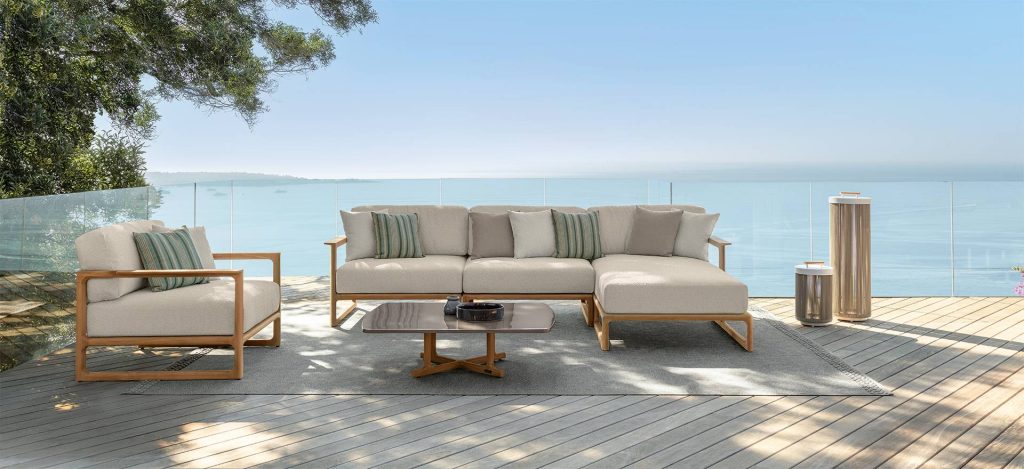
When integrated with smart hotel systems, modular furniture incorporates wireless charging surfaces, built-in speakers, adjustable lighting, and health-monitoring capabilities—creating responsive environments that enhance comfort and convenience. This adaptability allows spaces to shift smoothly between private moments and social gatherings—versatility particularly valued in the Middle East’s hospitality-focused culture.
Sustainability Alignment with Regional Goals
Environmental responsibility has become non-negotiable for Middle East hospitality projects pursuing LEED and Estidama certifications. The UAE Ministry of Climate Change and Environment reports that over 40% of new residential developments in 2023 included sustainability features, including low-emission furniture and recycled materials.
Modular furniture inherently supports sustainability objectives through extended lifespans achieved via component replacement. Rather than discarding entire pieces when sections wear out, hotels replace only damaged modules—keeping the majority of furniture in circulation.
Many modular systems utilize eco-friendly materials including FSC-certified wood, recycled metals, bamboo, and low-VOC finishes. The manufacturing process generates less waste through standardized components that optimize material usage. When furniture reaches end-of-life, modular designs facilitate easier disassembly for recycling or repurposing.
This sustainability profile resonates with eco-conscious travelers while helping hotels fulfill corporate environmental responsibilities—strengthening brand positioning in an increasingly competitive market.
The Path Forward
As the Middle East hospitality market grows toward its projected $487 billion valuation by 2032, the hotels that thrive will embrace adaptive design principles. Modular furniture delivers measurable benefits across cost efficiency, guest satisfaction, sustainability, and operational excellence.
The future points toward increasingly fluid, purpose-driven spaces where conventional layouts give way to dynamic, multifunctional environments. Lobbies evolve beyond check-in counters to become places where guests work, meet, and socialize seamlessly. Guest rooms transform throughout the day from sleep sanctuaries to productive workspaces to entertainment zones.
For Middle East hospitality operators navigating explosive growth, rising guest expectations, and intense competition, modular furniture provides strategic advantages that position properties for long-term success.
Ready to transform your hospitality spaces with flexible, efficient design solutions? Contact BE4 Design to discover how our expertise in modular furniture and tailored interior solutions can elevate your property while meeting demanding timelines and budgets.