The hospitality industry has undergone a dramatic transformation. Micro hotel rooms now range from 91 to 160 square feet—less than half the size of traditional 330-square-foot rooms. Millennial and Gen Z travelers are driving this shift, prioritizing authentic experiences, affordability, and social connection over expansive square footage. In high-rent markets like Dubai Marina, DIFC, and JBR, this trend isn’t just aesthetic—it’s economic necessity.
Every square meter in boutique hospitality must generate measurable revenue. Traditional hotel furniture designed for sprawling lobbies and oversized guest rooms simply doesn’t work in compact footprints. The challenge isn’t just fitting furniture into smaller spaces—it’s maximizing capacity, maintaining guest satisfaction, and achieving profitability in properties under 100 square meters.
The opportunity is significant. Strategic space-efficient hospitality furniture selection can increase capacity by 15-25% without physical expansion, while modern travelers increasingly prefer intimate, well-designed spaces over empty grandeur. Cornell research demonstrates that hotels with high design satisfaction scores achieve 15% higher revenue per room—and in compact properties, every percentage point matters.
Here’s how strategic furniture selection optimizes every square meter in boutique hospitality.
The Multi-Functional Furniture Foundation
Multi-functional furniture isn’t a design preference for small-footprint hospitality—it’s an operational requirement. Every piece must serve multiple purposes, adapt to changing needs, and maximize return on spatial investment.
Convertible seating systems form the cornerstone of space-efficient hospitality furniture strategies. Modular lounge furniture that reconfigures for different uses eliminates the need for separate pieces dedicated to single functions. A 50-square-meter boutique lobby equipped with modular seating can transform from morning coffee setup to afternoon co-working configuration to evening cocktail lounge—three distinct revenue-generating functions from the same furniture investment, with no storage requirements.
The Arlo Hotel demonstrates this approach in their 160-square-foot micro-suites, where beds double as daytime seating areas with integrated storage underneath, completely eliminating the need for separate closets or dressers. This principle applies equally to public spaces: ottomans that provide both seating and storage, benches with under-seat compartments, and nesting tables that expand or contract based on group size.
Built-in storage solutions integrated into seating furniture deserve particular attention. In compact F&B venues, banquette seating with lift-up storage eliminates the need for separate storage furniture that would consume valuable floor space. A 60-square-meter café can accommodate the same operational storage as an 80-square-meter traditional layout by incorporating storage into every seating element.
Transformable pieces extend functionality across dayparts and use cases. Expandable dining tables accommodate varying group sizes without requiring multiple table configurations. Stackable chairs enable event spaces to shift from 30-person standing reception to 20-person seated dinner within the same footprint. In boutique hotel lobbies, coffee tables on casters become mobile workstations, then transition back to social seating as needs change.
The ROI calculation is straightforward: a 160-square-foot room with properly selected multi-functional furniture delivers the same guest satisfaction as a 250-square-foot traditional room—while occupying 35% less rentable space and generating proportionally higher revenue per square meter.
Visual Space Expansion Through Strategic Furniture Selection
Physical square footage matters, but perceived space drives guest experience. Space-efficient hospitality furniture affects how large a room feels as much as its actual dimensions—and perception significantly impacts satisfaction scores and booking decisions.
Scale and proportion require precise calibration in compact environments. Furniture must be appropriately sized for room dimensions rather than defaulting to standard commercial specifications. Oversized pieces designed for large-scale hospitality dominate small spaces, creating visual claustrophobia. A 2.5-meter sofa appropriate for a 150-square-meter hotel lobby overwhelms a 40-square-meter boutique reception area. The solution: modular components that achieve the same seating capacity in appropriately scaled increments.
Floating furniture—pieces with visible floor beneath and around them—creates visual openness by exposing continuous flooring. Wall-mounted consoles, furniture with elevated legs rather than solid bases, and transparent materials like glass and acrylic maintain sightlines across spaces. This principle explains why citizenM hotels achieve luxury perception in 160-square-foot rooms: carefully scaled furniture with visible floor space creates airiness impossible in traditionally furnished small rooms.
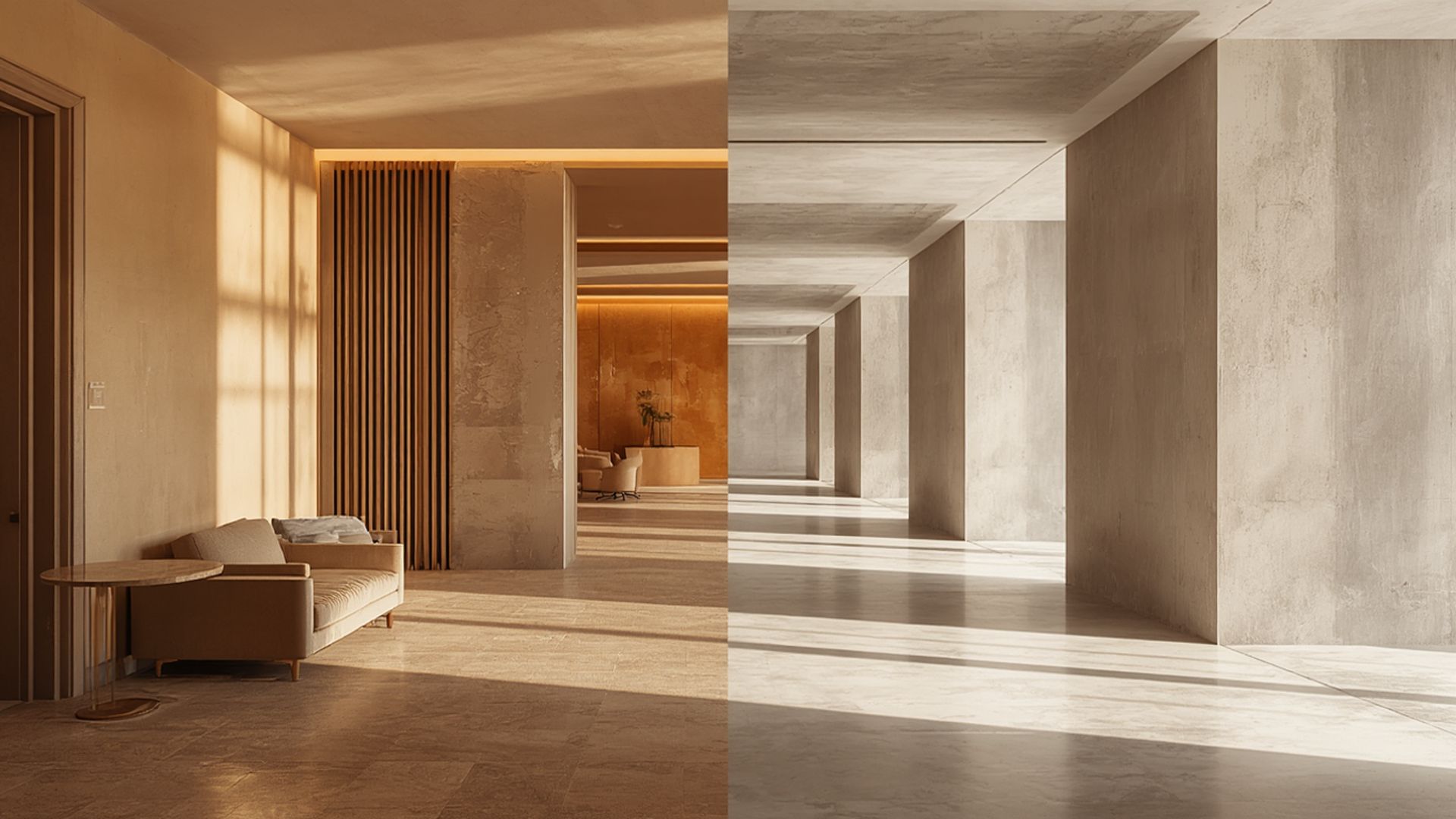
Color and material strategy amplifies perceived space. Light-colored upholstery in creams, light grays, and soft neutrals reflects available light and expands visual boundaries. Dark, heavy materials absorb light and shrink perceived dimensions—a liability in already-compact footprints. Reflective surfaces strategically incorporated into furniture design multiply ambient light without requiring additional fixtures.
Height variation serves dual purposes: visual interest and functional capacity optimization. A 45-square-meter café mixing lounge chairs, standard dining seats, and bar-height seating accommodates 28 covers compared to 20 with uniform seating height—a 40% capacity increase. The varied heights create visual dynamism that makes the space feel larger and more sophisticated than monotonous uniform seating.
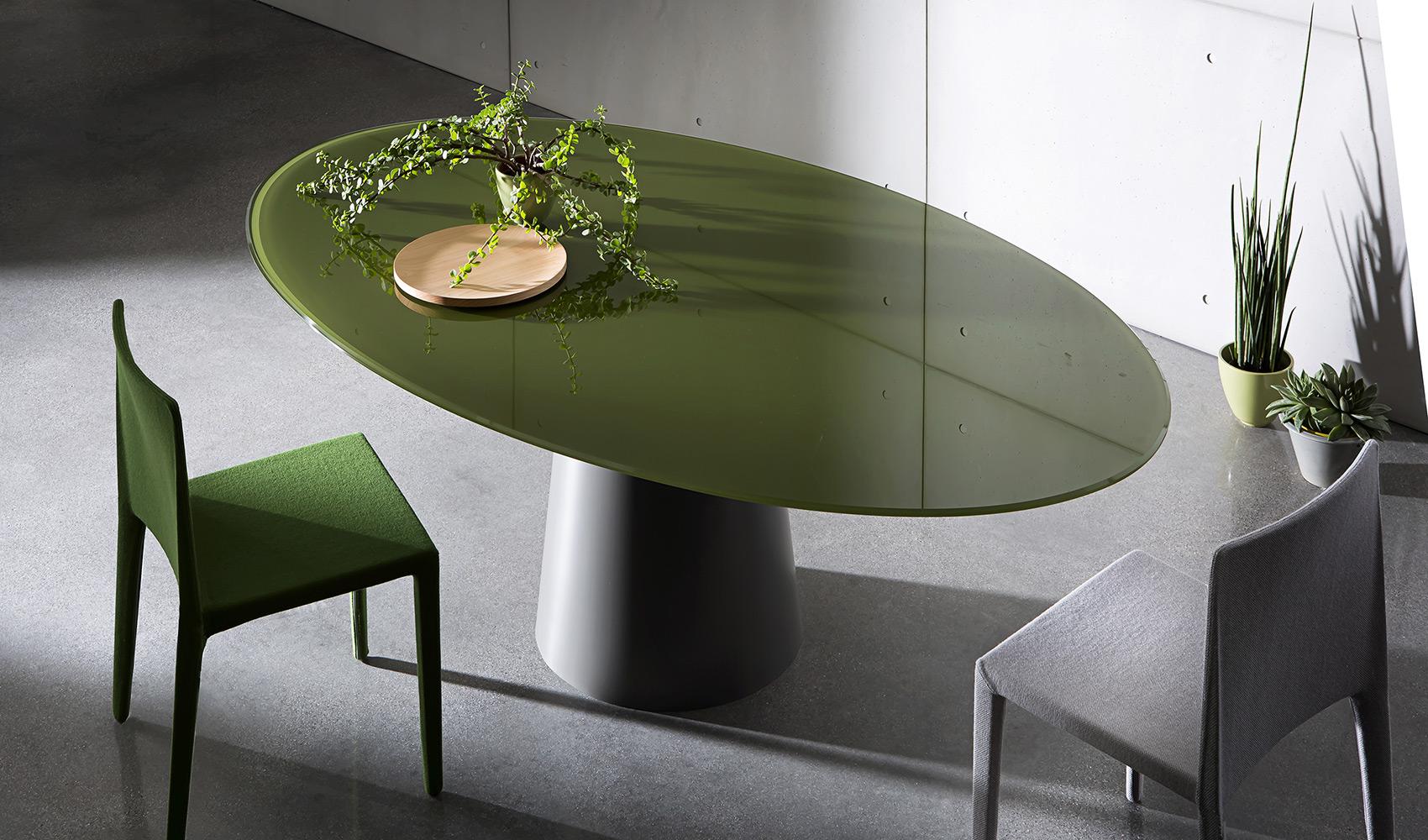
Material transparency matters particularly in circulation-heavy areas. Glass tabletops and acrylic chair backs maintain sightlines, preventing visual blockage that makes compact spaces feel cramped. Strategic application of transparent elements in high-traffic zones preserves the sense of openness essential to guest comfort.
Zoning Without Walls: Furniture as Spatial Organizer
Physical partitions consume valuable square footage and restrict operational flexibility. Space-efficient hospitality furniture creates functional zones through strategic placement rather than permanent barriers—preserving adaptability while organizing traffic flow.
The modern boutique hotel lobby exemplifies this challenge: check-in functionality, co-working capability, and social lounge atmosphere must coexist in less than 100 square meters. Lobby design has fundamentally transformed from single-function reception areas to multifunctional revenue centers. Furniture placement defines these zones without walls.
Back-to-back seating arrangements create natural separation between functional areas. A row of banquettes facing the entrance serves arriving guests, while the opposite side faces interior lounge space for residents and co-working users. The same furniture piece defines two distinct zones without requiring floor-to-ceiling division. This approach maintains visual openness while establishing clear functional territories.
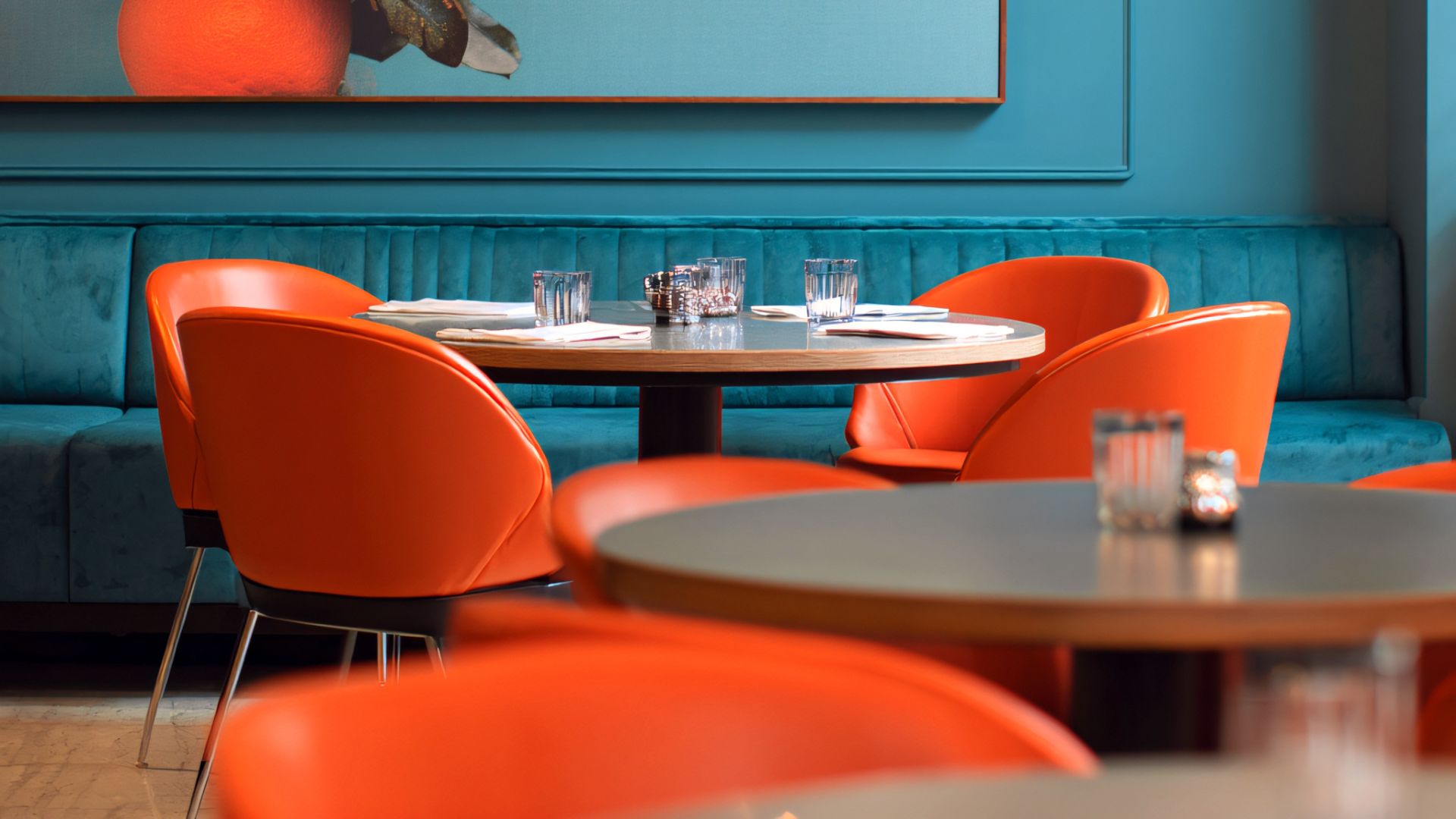
Restaurant zoning follows similar principles. Booth seating along perimeter walls creates intimate dining zones within open floor plans, providing acoustic separation and visual privacy without sacrificing the sense of space. The booths themselves define boundaries between dining area, service circulation paths, and waiting areas. Strategic restaurant space planning relies on furniture as primary zoning tool rather than architectural intervention.
Traffic flow optimization requires intentional furniture placement that guides movement while avoiding bottlenecks. Minimum circulation paths of 90-120 centimeters between furniture groupings ensure comfortable passage even during peak occupancy. Furniture arranged to create natural corridors directs traffic flow without signage or barriers, while simultaneously preventing dead zones where space consumption generates no revenue.
Proper zoning through furniture placement increases overall utilization rates dramatically. A poorly zoned 80-square-meter space might achieve 65% utilization—35% of hours go unused due to functional confusion or circulation conflicts. The same space strategically zoned with furniture placement achieves 85% utilization, representing 30% more revenue-generating hours from identical square footage.
The flexibility advantage compounds over time. Zoning with movable furniture adapts as operational needs evolve. A check-in area can contract as mobile check-in adoption increases, reallocating those square meters to higher-revenue co-working or F&B functions. Walls don’t move. Furniture does.
Measuring Success: Key Performance Metrics for Space Efficiency
Space optimization in hospitality requires quantifiable measurement. Intuition about “better use of space” doesn’t drive investment decisions—concrete performance metrics do.
Revenue per Available Square Foot or Meter (RevPAF/M) provides the most granular measure of spatial productivity. The calculation is straightforward: total revenue generated divided by total square meters of space. While RevPAR (Revenue per Available Room) dominates hotel metrics, RevPAF/M reveals how effectively every square meter generates revenue—particularly relevant for boutique properties where public space revenue often exceeds room revenue.
Industry benchmarks vary by property type, but achievable improvements through space-efficient hospitality furniture are consistent. A typical boutique hotel lobby generates AED 1,800-2,200 per square meter annually. Strategic furniture optimization targeting 50 seats instead of 35 in the same 100 square meters, combined with increased utilization from multi-functional capability, can push annual RevPAF/M to AED 2,800-3,200—a 35-40% increase without construction.
Covers per square meter measures F&B space efficiency. Standard restaurant design allocates 1.5-1.8 square meters per seat, including circulation. Optimized furniture selection and strategic layout can reduce this to 1.2-1.5 square meters per seat while maintaining guest comfort—enabling 20-25% capacity increase in the same footprint. A 100-square-meter restaurant seats 55-65 covers instead of 45-50, directly impacting revenue potential.
Utilization rate tracks how many hours per day a space generates revenue versus sitting empty. The formula: (Total Hours Booked ÷ Total Hours Available) × 100. Multi-functional spaces dramatically improve utilization. A boutique hotel lobby serving only as check-in area might achieve 40% utilization—utilized 10 hours daily out of 24 available. That same lobby designed for check-in, co-working, and evening social use achieves 75-80% utilization, nearly doubling revenue hours from identical space.
Delegate density in event spaces reveals similar optimization potential. Adding just three more attendees per event at standard per-person rates increases event revenue by approximately 20%. Space-efficient hospitality furniture that accommodates higher density without crowding—through appropriate scale, strategic placement, and multi-functional capability—directly impacts bottom-line event revenue.
Consider a practical example: a 100-square-meter boutique lobby before and after furniture optimization. Initial configuration with oversized traditional furniture: 35 seats, 60% utilization, generating AED 180,000 annually. Post-optimization with properly scaled, multi-functional, strategically placed furniture: 50 seats, 80% utilization, generating AED 288,000 annually—a 60% revenue increase from the same physical space, achieved entirely through furniture selection and layout strategy.
Material Selection for High-Density Environments
Compact hospitality spaces experience higher furniture utilization than large-scale properties. More guests interact with fewer pieces, more frequently, in tighter quarters. Material durability and performance specifications take on outsized importance.
High-traffic performance requirements intensify in space-efficient environments. Fabric upholstery should meet minimum Martindale abrasion ratings of 50,000 cycles for intensive commercial use—higher than standard contract specifications. In a boutique hotel lobby where 50 guests utilize the same 15 lounge chairs versus 50 guests distributed across 40 chairs in a large property, per-piece utilization is dramatically higher. Stain-resistant treatments aren’t optional upgrades—they’re operational necessities when space constraints mean every piece sees constant use.
Easy-clean surfaces reduce operational downtime. In compact F&B venues, furniture that requires professional cleaning for spill remediation means lost covers during cleaning periods. Materials that can be spot-cleaned and returned to service within minutes preserve revenue capacity. Surface materials should withstand commercial cleaning solutions without degradation—residential-grade finishes fail rapidly under commercial cleaning protocols.
Lightweight mobility enables operational flexibility that compact spaces demand. Furniture staff can easily reconfigure should weigh appropriately for frequent movement. Aluminum frame construction provides structural strength at lower weight than solid wood alternatives. A 60-square-meter café that reconfigures from 20-seat daytime setup to 35-person standing evening event requires furniture light enough for quick transformation—heavy traditional pieces prevent the operational adaptability that maximizes revenue per square meter.
Visual lightness deserves equal consideration to physical weight. Slim profiles and tapered legs maintain airy aesthetics essential in compact environments. Chunky furniture bases and thick upholstery padding that work in expansive spaces overwhelm small footprints. Visual weight creates psychological crowding even when physical space remains—impacting guest comfort and satisfaction scores.
Common Mistakes in Small-Space Furniture Selection
Strategic space optimization requires avoiding predictable errors that undermine capacity, revenue, and guest satisfaction.
Oversized furniture represents the most frequent and costly mistake. A 2.5-meter sofa appropriate for a 150-square-meter hotel lobby dominates a 40-square-meter boutique reception, consuming disproportionate floor space while seating the same number of guests as three modular components would accommodate. The modular alternative preserves flexibility, enables varied configurations, and maintains visual proportion. Defaulting to standard commercial furniture sizes without scaling to room dimensions sacrifices both capacity and aesthetics.
Uniform seating heights create monotonous, space-inefficient environments. When every seat is a lounge chair at identical height, the space feels flat and capacity suffers. Varied heights—lounge seating, standard dining chairs, bar-height stools—create visual interest while increasing total seating capacity. A 50-square-meter boutique lobby with mixed heights accommodates 12-15 more guests than the same space with uniform lounge seating, purely through height variation enabling tighter, more interesting arrangements.
Dark, heavy materials shrink perceived space and create cave-like atmospheres. While dark leather conveys luxury in expansive hotel lobbies, the same material in compact spaces feels oppressive. Light-colored fabrics in neutrals and soft tones expand visual boundaries—essential when physical boundaries are already tight. Material selection directly impacts how large and welcoming a space feels, independent of actual square footage.
Fixed layouts eliminate the operational flexibility that makes compact spaces viable. Non-modular furniture locks properties into single configurations regardless of changing operational needs. Guest preferences shift, daypart usage evolves, seasonal demand fluctuates—furniture should adapt accordingly. Modular hospitality systems enable reconfiguration without replacement, protecting capital investment while maintaining operational agility.
Ignoring circulation metrics creates bottlenecks that reduce effective capacity and frustrate guests. Furniture placement must preserve 90-120 centimeter circulation paths even at full occupancy. Beautiful layouts that look perfect empty but become impassable when occupied fail operationally. Traffic flow planning precedes furniture placement—not the other way around.
Residential-grade specifications in commercial environments represent false economy. That beautiful residential chair costs 30% less than contract-grade alternatives but fails within six months under commercial use patterns. The replacement cycle—purchasing, disposal, installation, operational disruption—costs far more than specifying appropriate contract furniture initially. In compact spaces with no redundancy, even brief furniture downtime directly impacts revenue capacity.
Strategic Furniture Selection as Competitive Advantage
Boutique hospitality continues expanding across the UAE and GCC markets. High-rent locations in Dubai Marina, DIFC, JBR, and emerging districts demand space efficiency as an economic imperative, not a design preference. Properties that master space optimization through strategic furniture selection achieve 20-60% higher revenue per square meter than competitors in comparable locations—a decisive competitive advantage in markets where rental costs consume significant operating budgets.
The distinction between adequate and optimized space-efficient hospitality furniture lies in integrated expertise: modular systems that enable operational flexibility, commercial durability specifications that protect long-term investment, spatial planning knowledge that maximizes capacity while maintaining guest comfort, and regional market understanding that addresses UAE-specific operational requirements including climate considerations and regulatory compliance.
Whether designing a 50-square-meter boutique lobby, a 100-cover restaurant in a compact footprint, or a micro-hotel with rooms under 20 square meters, strategic furniture selection transforms spatial constraints into competitive advantages. The properties succeeding in high-density markets aren’t fighting their compact footprints—they’re optimizing every square meter through furniture that works harder, adapts faster, and generates more revenue than traditional alternatives.
Contact BE4 Design to discuss furniture solutions for your space-constrained hospitality project.