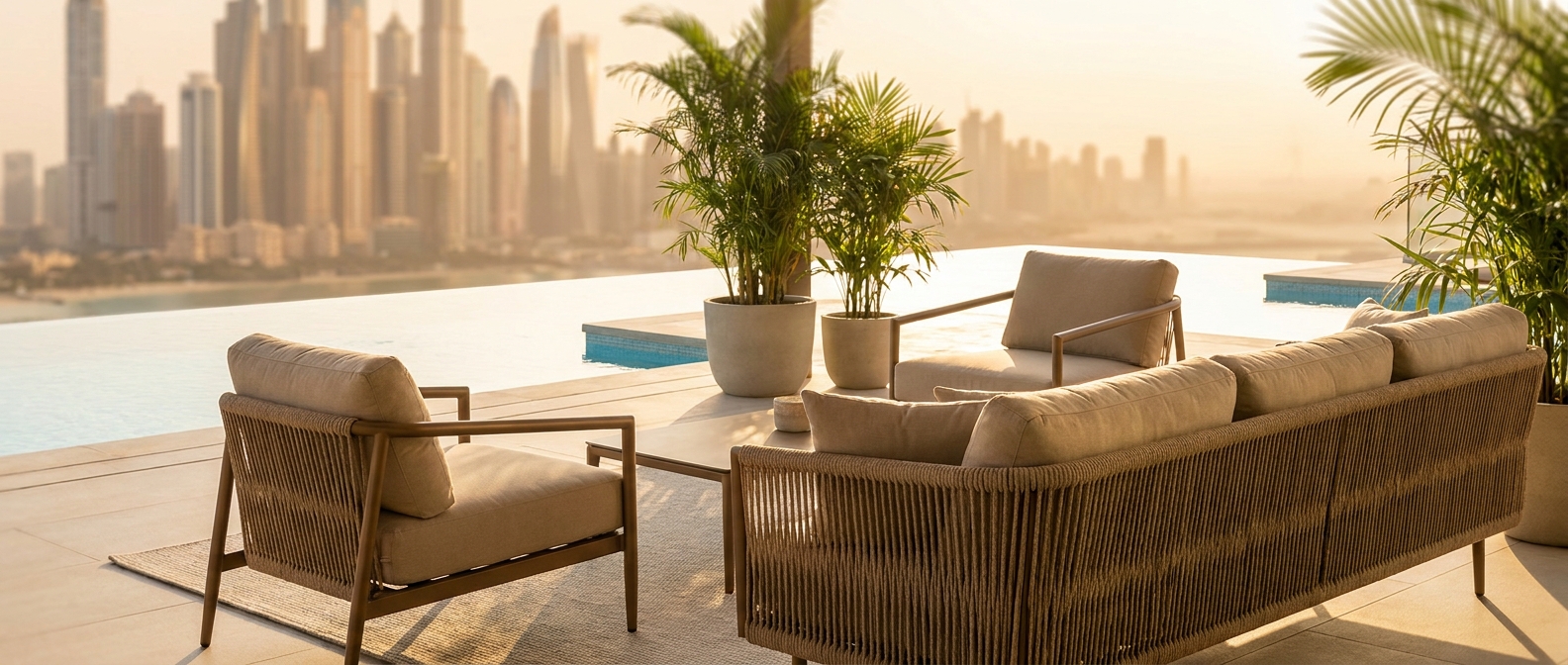
The UAE hospitality sector isn’t just growing—it’s experiencing an unprecedented transformation that’s reshaping the region’s hospitality design landscape. For architects and interior designers working in contract and hospitality projects, understanding this boom and its implications for hospitality design isn’t optional. It’s essential for staying competitive in one of the world’s most dynamic markets.
The Numbers Tell a Compelling Story
Dubai welcomed 11.17 million international visitors between January and July 2025, marking a 5% year-over-year increase. The broader UAE hospitality sector hosted 23.27 million guests in the first nine months of 2025, representing 4.9% growth. By year-end 2025, projections suggest Dubai alone will attract 22 million tourists, with the entire UAE expecting 27.6 million international visitors.
The financial strength backing this growth is equally impressive. Hotel revenues in Dubai reached AED 13 billion in the first nine months of 2025, up 12% from the previous year. International visitor spending is forecast to hit a record AED 228.5 billion in 2025—37% above the 2019 peak. The sector now contributes nearly 13% to the UAE’s GDP and supports over 925,000 jobs.
Perhaps most telling for designers: hotel occupancy rates across the UAE reached 78.5% in the year to August 2025, with Dubai hitting 81%—a new record for the period. Revenue per available room (RevPAR) surged 11.9% year-on-year, reflecting strong pricing power and sustained demand.
On the supply side, Dubai is adding over 5,000 hotel rooms across 19 properties in the second half of 2025, followed by another 6,000 rooms in 2026. Significantly, 43% of upcoming supply targets the luxury segment, with luxury properties accounting for 61% of 2026 openings—a 150% increase compared to late 2025.
What This Means for Hospitality Design
This explosive growth creates both extraordinary opportunities and heightened expectations for hospitality design. Projects move faster, budgets favor premium solutions, and clients demand design that differentiates their properties in an increasingly competitive landscape. Success in 2026 requires understanding not just that the market is booming, but how guest expectations, regulatory requirements, and sustainability mandates are fundamentally reshaping hospitality design approaches.

Five Critical Hospitality Design Imperatives for 2026
1. Sustainability Has Moved from Feature to Foundation
Environmental responsibility is no longer an optional upgrade—it’s a baseline requirement. Dubai’s Department of Economy and Tourism has implemented comprehensive sustainability requirements covering 27 criteria across energy and water conservation, waste reduction, sustainable procurement, and biodiversity protection. Hotels must now have certified Sustainability Champions, energy management plans, and building management systems to optimize resource use.
For designers, this means integrating solar energy systems, battery technology, and renewable electricity sources from the concept phase. Specify locally sourced, recycled materials and LED lighting throughout. Consider adaptive reuse strategies that reduce waste by 50-75% compared to new construction, while incorporating green roofs, living walls, and greywater recycling systems.
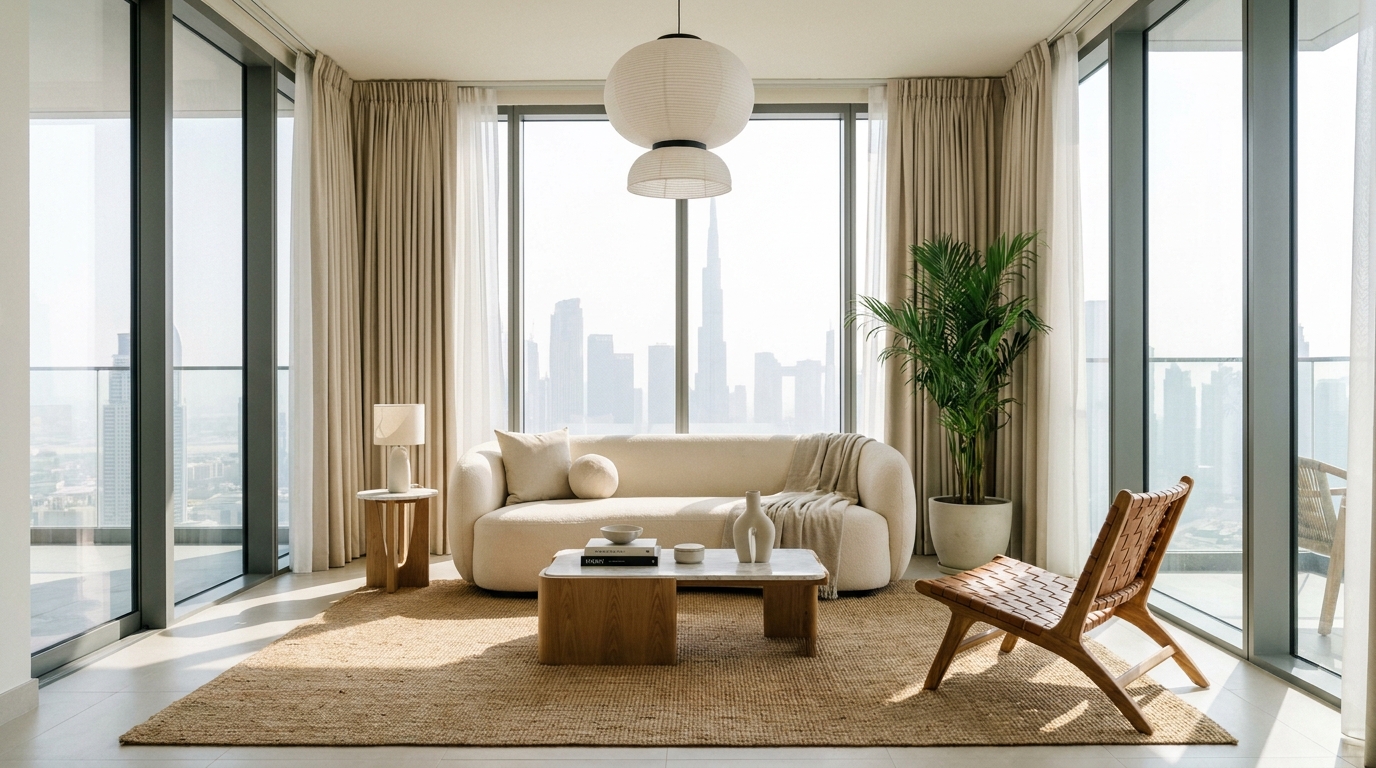
Biophilic design—integrating natural elements throughout properties—improves guest well-being, supports healthy circadian rhythms, and reduces stress while enhancing air quality through living walls and air-purifying plants.
2. Wellness Integration Across Every Touchpoint
Wellness has evolved from spa amenities to an integrated philosophy permeating every hotel space. The most successful 2026 hospitality design projects embed evidence-based wellness features throughout: circadian lighting systems that adjust throughout the day to support natural sleep rhythms, advanced air purification and HVAC optimization, and biophilic design with floor-to-ceiling windows and natural materials.
Guest rooms should incorporate in-room wellness zones with yoga mats, meditation corners, and compact fitness equipment, alongside acoustic design using sound-absorbing materials and sleep architecture featuring blackout systems, hypoallergenic bedding, and precise temperature regulation.
3. Cultural Authenticity Meets Contemporary Luxury
In a globalized hospitality market, properties must be both internationally sophisticated and unmistakably local. The Middle East’s rich cultural heritage demands thoughtful integration of traditional elements with contemporary luxury—but cultural authenticity doesn’t mean stereotypical theming.
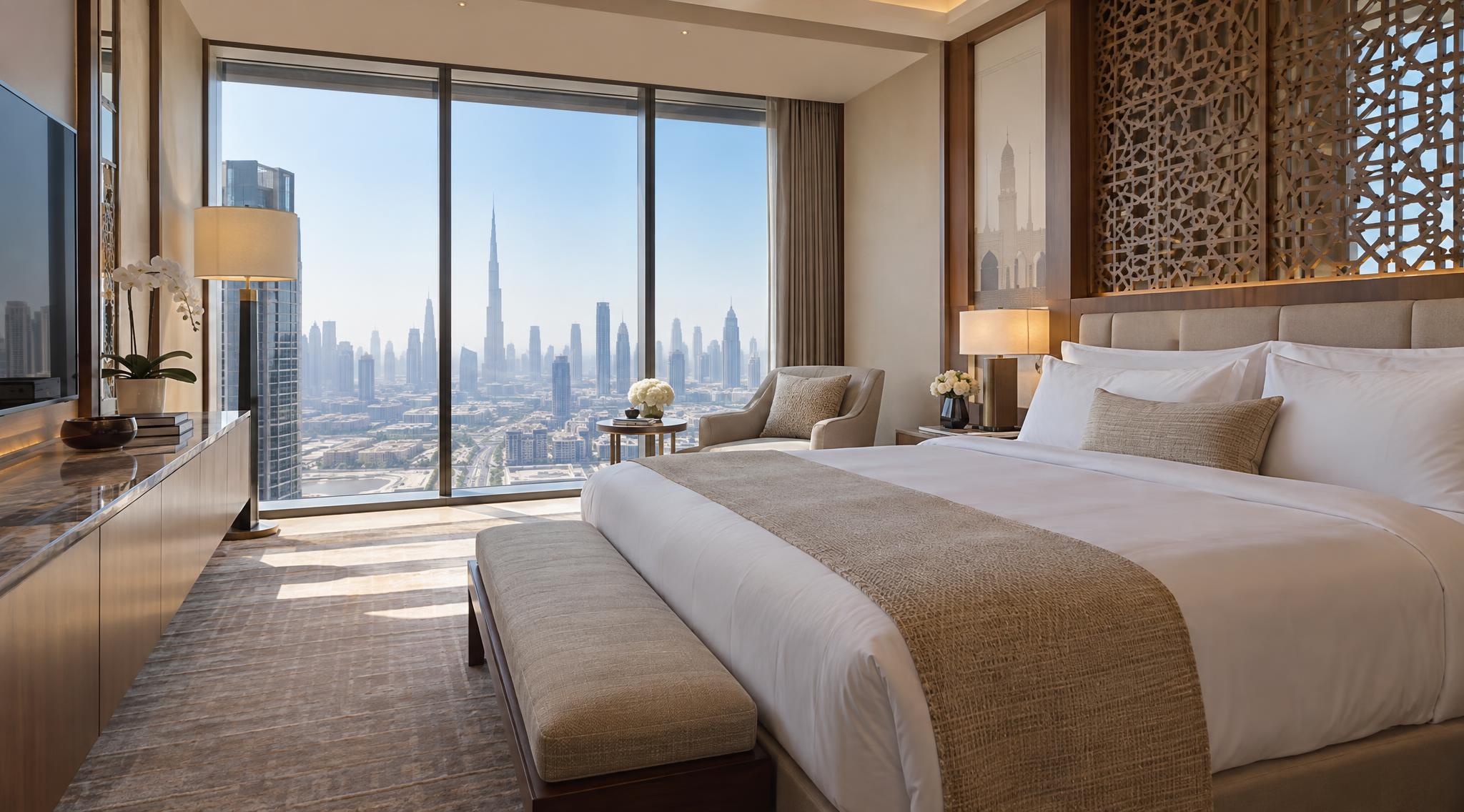
Successful hospitality design approaches include incorporating Arabic geometric patterns, mashrabiya latticework for shade and privacy, and Arabesque ornamental details within neutral, earth-toned color palettes reflecting traditional Middle Eastern aesthetics. Collaborate with local artisans and specify regional materials to support community and create authentic connections. Design spaces that honor privacy norms while maintaining openness, and create culinary experiences celebrating local flavors through thoughtful kitchen and dining design.
The goal is integrating storytelling through art, materials, and spatial narratives that connect guests to place—requiring extensive research to understand the essence of community, history, and daily life, delivered in a contemporary context.

4. Technology + F&B: The New Competitive Differentiators
Smart technology must be seamlessly integrated—enhancing experience without dominating aesthetics. 2026 properties require smart room automation with IoT-enabled controls, keyless entry and biometric check-in reducing front desk wait times by up to 25%, and AI-powered personalization that remembers guest preferences and anticipates needs. Energy-efficient smart systems can reduce consumption by up to 25% while improving guest comfort.
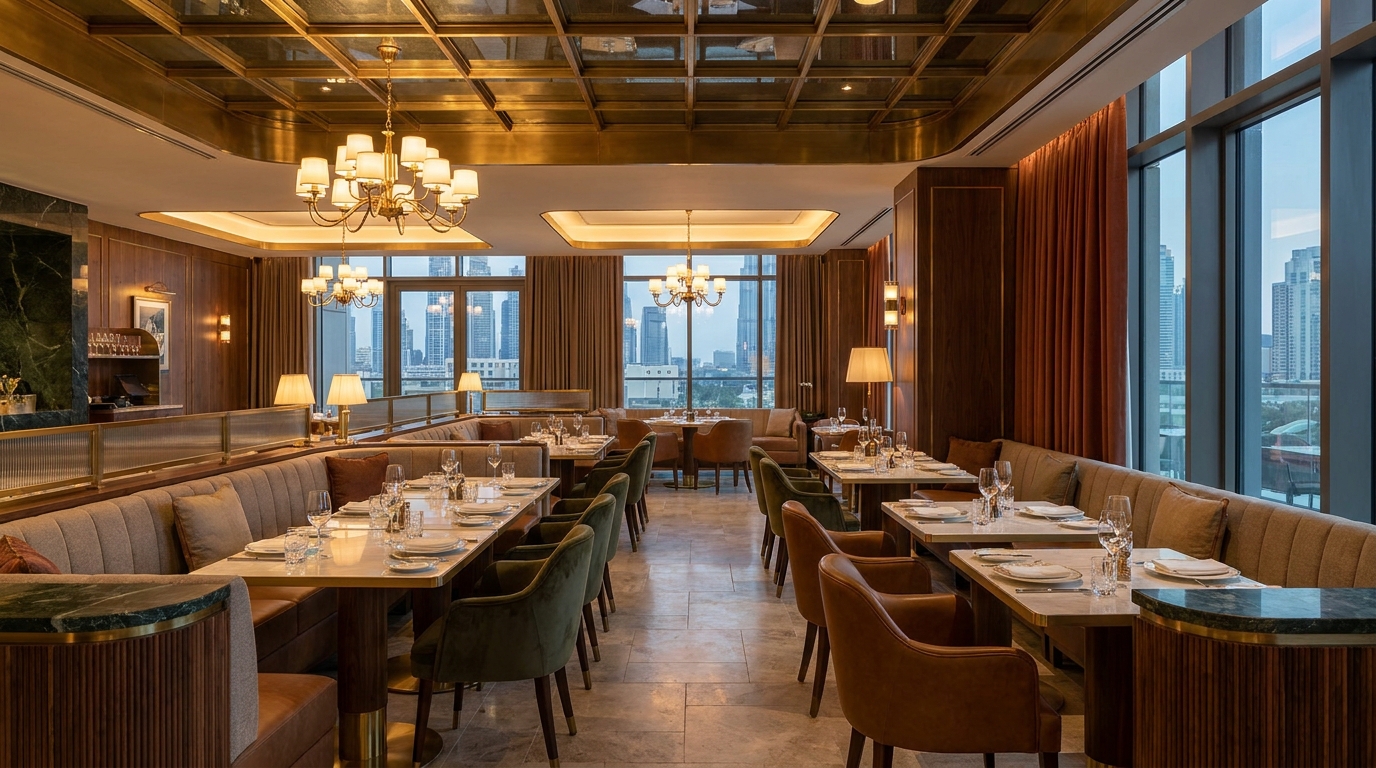
Simultaneously, hotel dining has transformed from operational necessity to active driver of brand identity, with 60% of luxury travelers prioritizing hotels with great restaurants. Create restaurants and bars as “third spaces”—vibrant social hubs attracting both guests and locals. Design for experiential dining with chef-led interactive stations, open kitchens, and social ritual spaces, while incorporating multi-sensory engagement through projection mapping, ambient soundscapes, and dynamic lighting.
5. Flexibility and Quiet Luxury Define the New Standard
The rise of remote work, extended stays, and diverse guest needs demands adaptable environments. Design lobbies as co-working hubs with varied seating typologies, specify modular furniture allowing spaces to shift from meetings to dining to social gatherings, and create “resimercial” guestrooms balancing home-like comfort with hotel service. Design for multigenerational travel with connecting rooms and flexible suite configurations, while balancing indoor-outdoor spaces to accommodate seasonal weather variations.
Luxury hospitality design has evolved beyond ostentation. Quiet luxury emphasizes quality over quantity with tactile fabrics, natural textures, and impeccable craftsmanship. Specify muted, timeless palettes and create intimate, cocooning spaces that feel effortless yet deeply considered.
Color trends for 2026 move decisively toward warm, nature-inspired palettes: muddy greens and olive tones, terra-cottas and clay tones, and sophisticated browns—think truffle, cacao, nutmeg paired with creamy neutrals and caramel shades that deliver personality while remaining versatile.
Strategic Positioning for Hospitality Design Success
The UAE’s hospitality boom presents extraordinary opportunities for designers willing to embrace complexity. Success in 2026 requires seamlessly weaving together sustainability, wellness, technology, and cultural authenticity rather than treating them as separate features. Every element—from F&B to lighting to material selection—should contribute to memorable, emotionally resonant guest experiences.
Properties must meet international luxury standards while celebrating regional identity through authentic material choices, artisan collaborations, and narrative-driven hospitality design. Multi-functional, adaptable spaces supporting diverse uses are essential to meet evolving traveler behaviors. Environmental credentials are table stakes, not differentiators—integrate green strategies from concept through execution.
At BE4 Design, we’ve built our expertise around understanding these regional dynamics and delivering bespoke hospitality design solutions that honor heritage while anticipating future needs. Our access to 30+ premium furniture brands, combined with deep knowledge of Middle East hospitality requirements, positions us to help designers navigate this complexity and create spaces that deliver exceptional guest experiences in one of the world’s most dynamic tourism markets.
The boom is here. The question is whether your next project will simply respond to it—or define it.