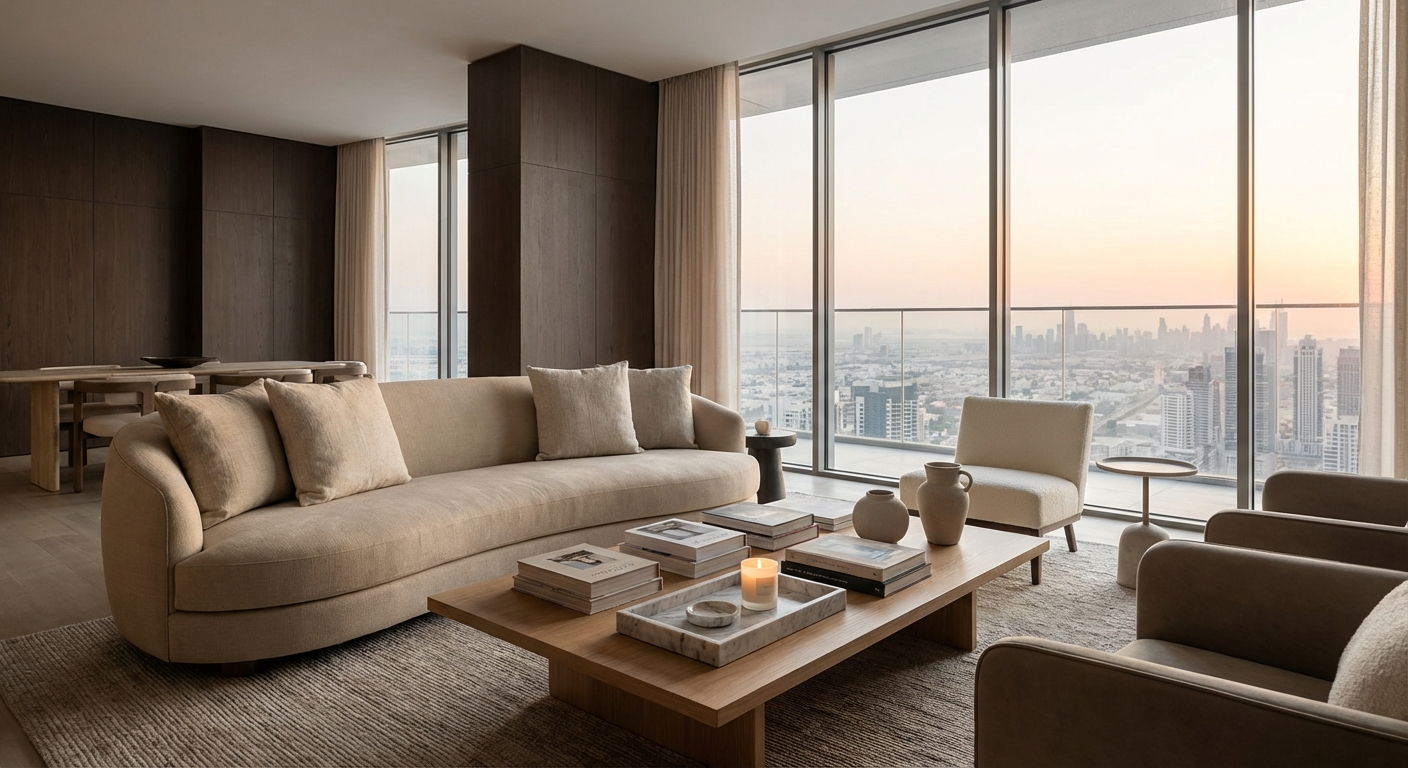
When it comes to apartment and villa furnishing in the UAE, the approach is never one-size-fits-all. The way a designer thinks about a standard Dubai apartment is fundamentally different from how they approach a luxury villa — and it goes far beyond square footage.
From budget and timelines to furniture selection and the role of each room, the entire apartment and villa furnishing philosophy shifts depending on the type of space. Whether you’re moving into a two-bedroom apartment in Business Bay or a villa in Emirates Hills, understanding these differences is the first step toward making your home feel intentional, functional, and unmistakably yours.
Here’s how we approach each one — and what you should keep in mind.
1. Design Philosophy: Structure vs. Flexibility
The first thing a designer notices about apartment vs. villa furnishing isn’t the size — it’s the degree of freedom.
In a standard UAE apartment, the layout is largely fixed. You have a living room, a bedroom, a kitchen — and each space has a predetermined purpose. There isn’t much room to reimagine a bedroom as a lounge or merge two zones into one. The design approach is therefore more structured: you work within clear boundaries to make each room fulfil its role as beautifully and efficiently as possible.
A villa, on the other hand, is a canvas. Walls can be moved, rooms can be repurposed, and a single space can serve multiple functions depending on how the family lives. A formal sitting room can become a home cinema; a spare bedroom can transform into a walk-in dressing room or a private office. The design process becomes more exploratory — it starts with how the client wants to live, rather than how the space dictates they should.
2. Client Priorities: Speed vs. Customisation
One of the most striking differences between apartment and villa clients lies in their relationship with time and budget.
Apartment clients tend to prioritise timing. They want to move in, settle, and get on with life. There’s a strong focus on what’s available in the UAE market — stock items, competitive pricing, and quick turnaround. The goal is a polished, well-designed space delivered efficiently.
Villa clients operate on a different clock. They’re often willing to wait months — sometimes up to two years — for custom pieces sourced from European ateliers and manufacturers. Price takes a back seat to precision: they want exactly what they envision, down to the last handle and hinge.
This isn’t about one being better than the other. It’s about recognising that the relationship between client and designer shifts depending on the project scale. In an apartment, you’re a problem-solver. In a villa, you’re a curator.
3. Space & Functionality: Multi-Purpose vs. Dedicated Zones
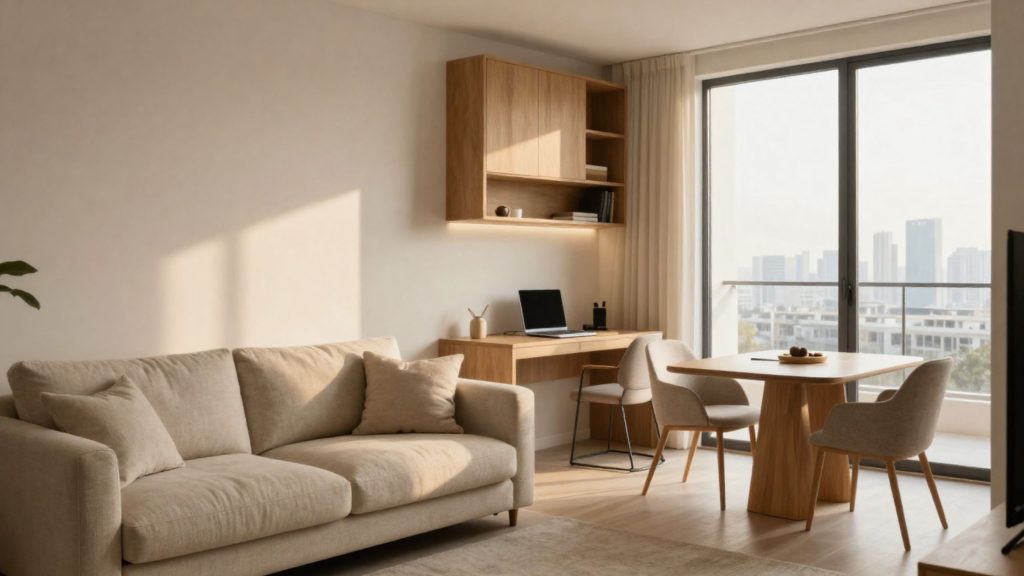
In a standard apartment, the living room does the heavy lifting. It’s where you host friends, eat dinner when the dining table doubles as a work desk, and where an overnight guest crashes on the sofa. Every piece of furniture needs to earn its place — not just aesthetically, but functionally.
This is one of the areas where apartment furnishing demands the most creativity — and where the gap with villa furnishing becomes most apparent. A sofa needs to be comfortable enough for daily use and presentable when guests arrive. A dining table might need to shrink or expand. Storage has to be invisible but abundant.
In a villa, the pressure on any single room is lighter. You can have a dedicated entertaining area, a separate living room for the family, a formal dining space, and an outdoor lounge. Guests naturally move through different zones over the course of an evening — from the kitchen island for drinks, to the living area for conversation, to the garden for dinner. The design can breathe because each space has a clearer, more focused purpose.
4. Furniture Categories That Shift Between the Two
Certain furniture categories take on entirely different weight depending on the project:
Outdoor Furniture
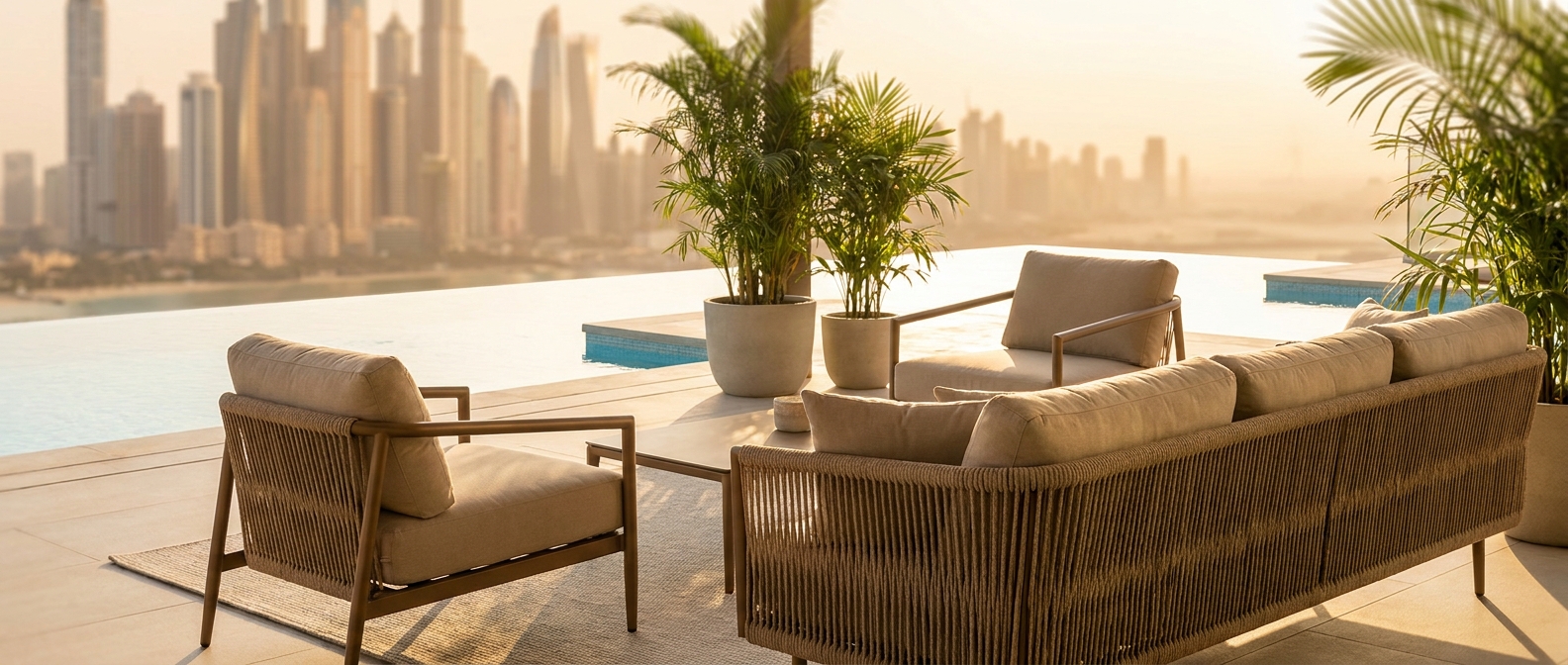
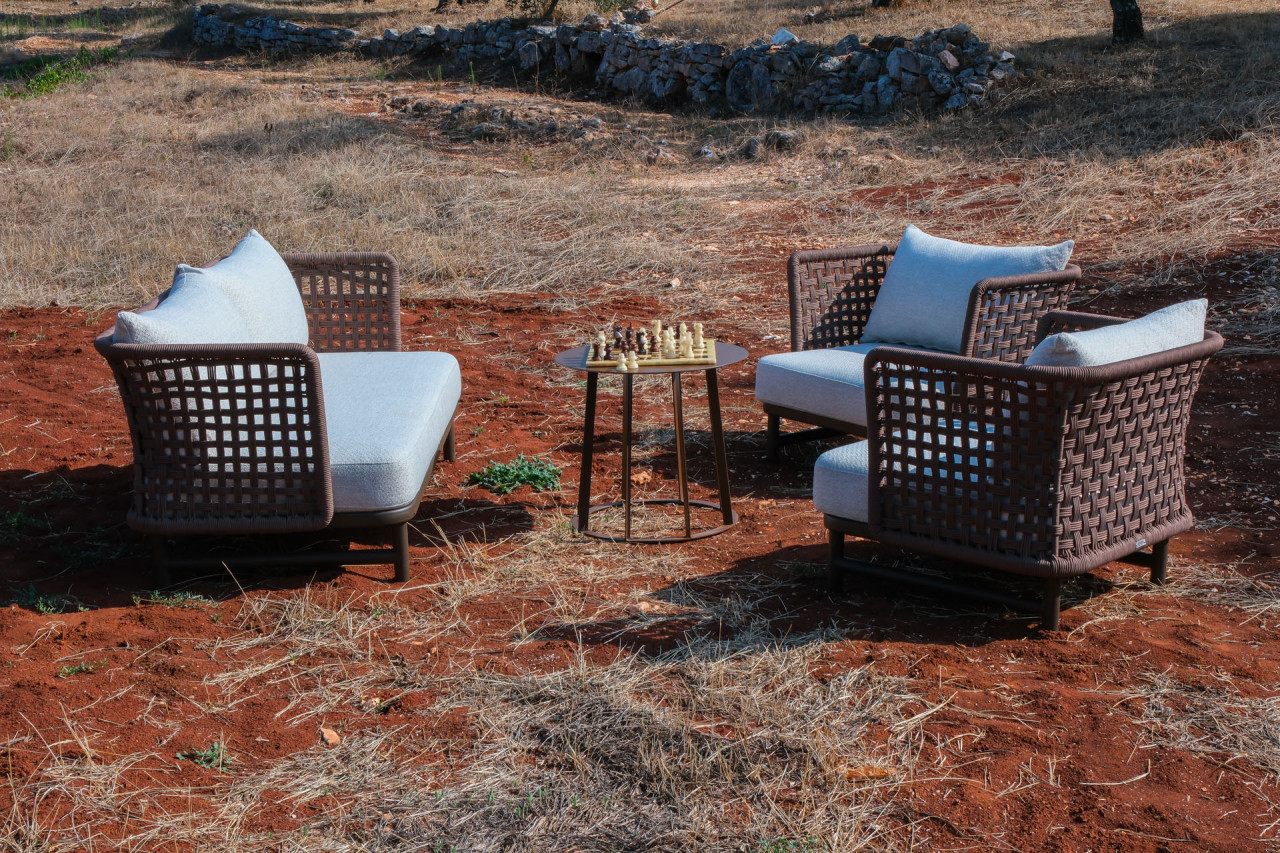
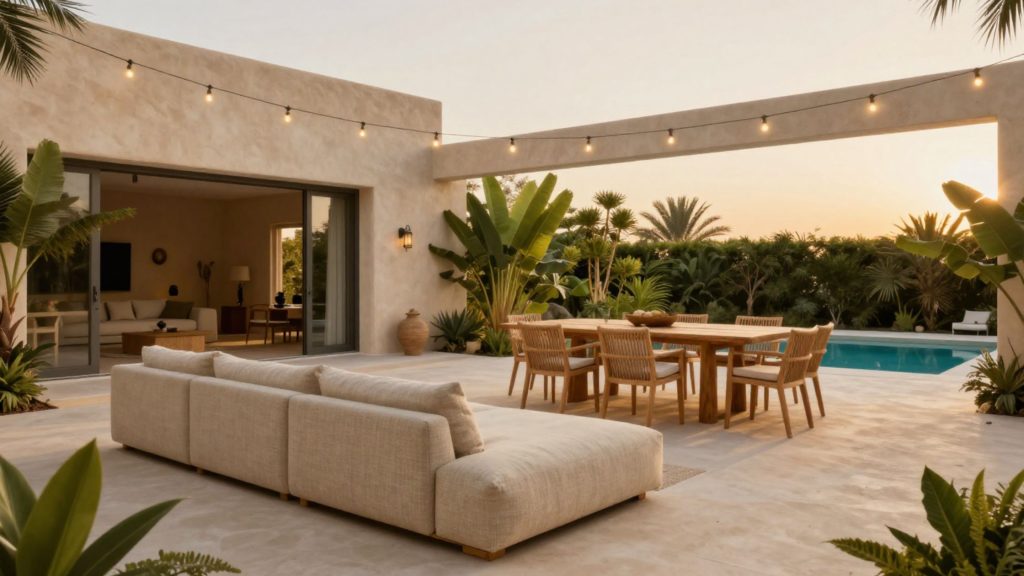
For a villa in the UAE, outdoor furniture is a major investment. With generous terraces, gardens, and pool areas, the outdoor space often rivals the interior in terms of design ambition. Think full outdoor dining sets, lounge seating, daybeds, and even outdoor kitchens — particularly during Dubai’s golden season from October to April.
In an apartment? You’re typically working with a balcony that fits a pair of chairs and a small side table. The emphasis shifts entirely indoors.
Lighting
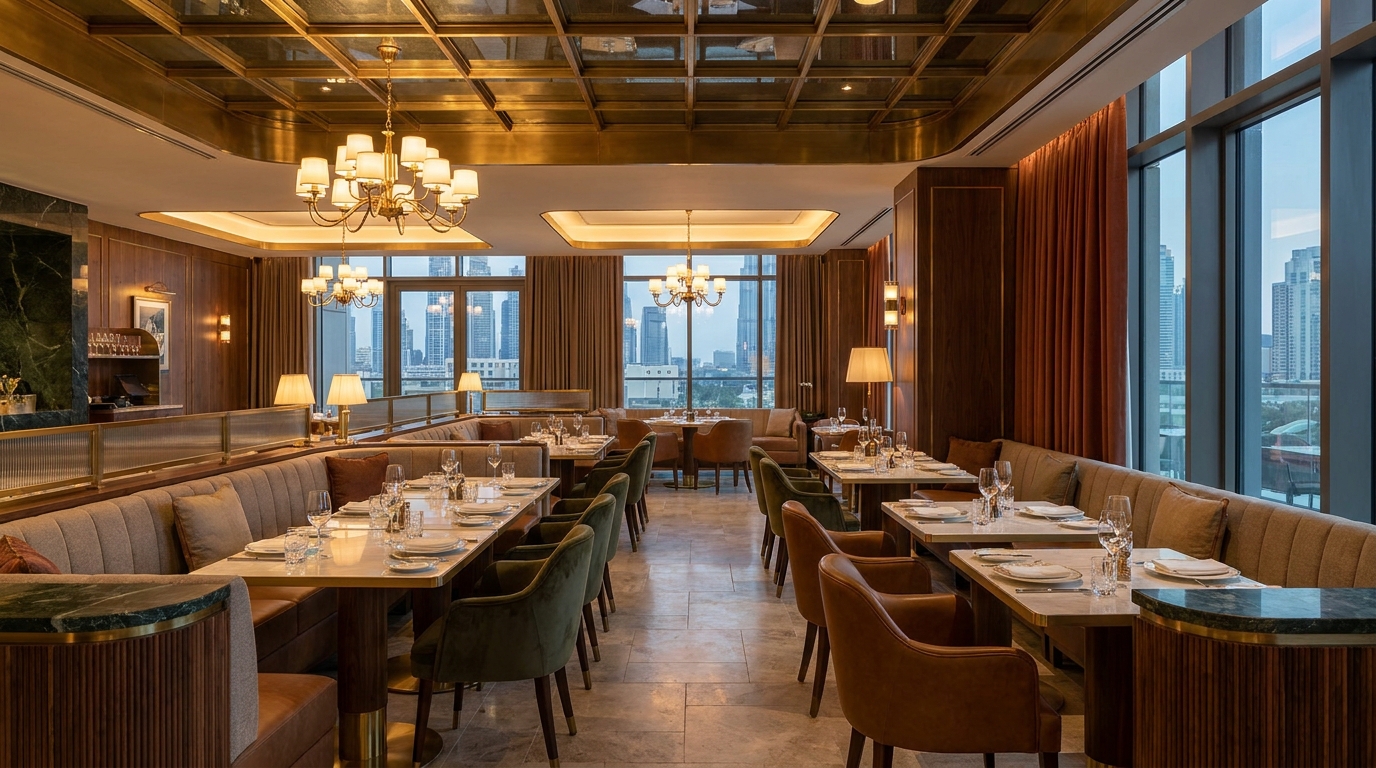
Villas offer extraordinary flexibility with lighting. High ceilings, open entryways, and large rooms allow for statement fixtures — sculptural pendants, chandeliers, layered ambient lighting schemes. Lighting becomes a design feature in itself.
Apartments, by contrast, come with fixed lighting infrastructure. There’s less room to add elaborate fixtures, so the focus shifts to smart use of table lamps, floor lamps, and accent lighting to create warmth and atmosphere within the existing setup.
5. The Design Mindset: Function-First vs. Atmosphere-Driven
Here’s where the apartment and villa furnishing mindset really diverges.
In an apartment, every piece must be functional and beautiful. There’s no room for a chair that looks stunning but nobody sits in. A console table needs to hold keys, not just look elegant. The design is driven by daily use — and success means a space that works as hard as it looks.
In a villa, there’s room for what we call “atmosphere spaces” — areas designed primarily for mood and aesthetics rather than everyday function. A moody, leather-lined study that the owner uses once a week to host friends. A sculptural accent chair by the entrance that nobody sits in but everyone admires. A bar corner designed purely for its visual drama.
These secondary spaces don’t need to perform daily — they exist to create an emotional experience. And that’s a luxury that larger homes can afford, both in space and budget.
6. Common Mistakes Designers Make
Every space has its traps, and even experienced designers fall into them:
In Villas
The most common mistake is designing for the photograph, not for the family. A pristine white sofa in a household with young children. A glass coffee table at toddler height. Rooms that look magazine-ready but don’t account for how the family actually moves through the space.
The best villa projects start with a simple question: What does your typical day at home look like? Understanding how each family member uses the space — after work, on weekends, when hosting — is what separates a beautiful home from a liveable one.
In Apartments
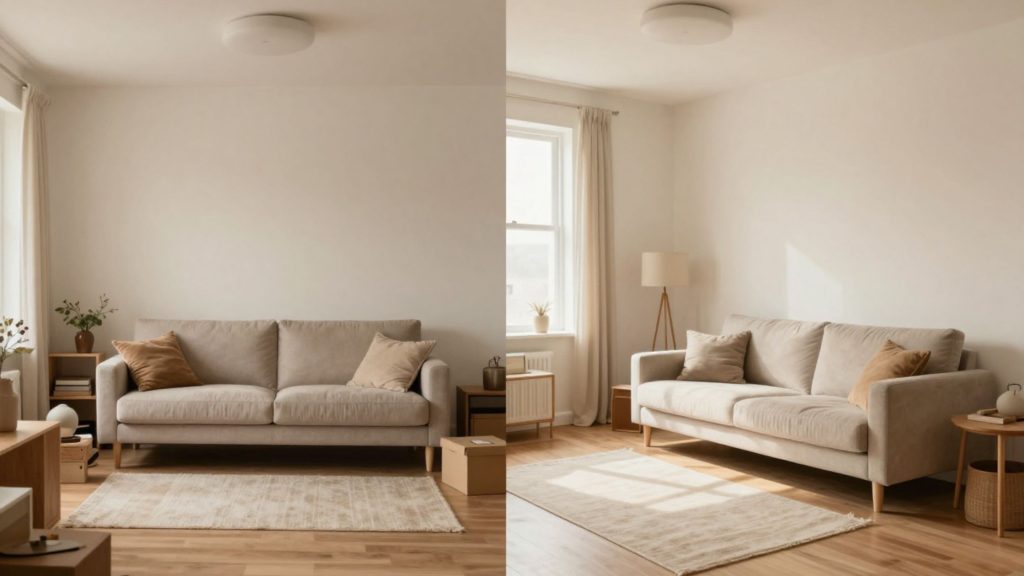
The classic mistake is over-furnishing — choosing pieces that are beautiful but too large for the room. A dining table that technically fits but leaves no room to pull out a chair. A sectional sofa that dominates the living room and blocks the natural flow.
It comes down to scale. The proportions of each piece relative to the room matter more in an apartment than anywhere else. A well-chosen, properly scaled selection will always outperform a room stuffed with impressive but oversized furniture.
7. The Dubai Factor
Living in Dubai adds a unique layer to both apartment and villa furnishing:
- Climate shapes material choices — certain fabrics and finishes simply don’t hold up in the heat and humidity, particularly for outdoor or sun-exposed areas.
- Lifestyle expectations are high. Residents are surrounded by world-class hotels, beach clubs, and restaurants with impeccable interiors. That constant exposure raises the bar — people don’t just want a nice home; they want a space that matches the quality of the environments they experience daily.
- The pace of the city drives a preference for modern, trend-aware design. Dubai residents tend to be well-informed and design-conscious, expecting their interiors to reflect current movements.
What’s Trending in 2026
Right now, Dubai is leaning into what can best be described as warm, organic design — a move away from the bold, gold-and-black schemes of previous years toward something softer and more tactile:
- Neutral colour palettes: beiges, warm whites, soft greys
- Natural materials: oak wood, linen, rattan, stone
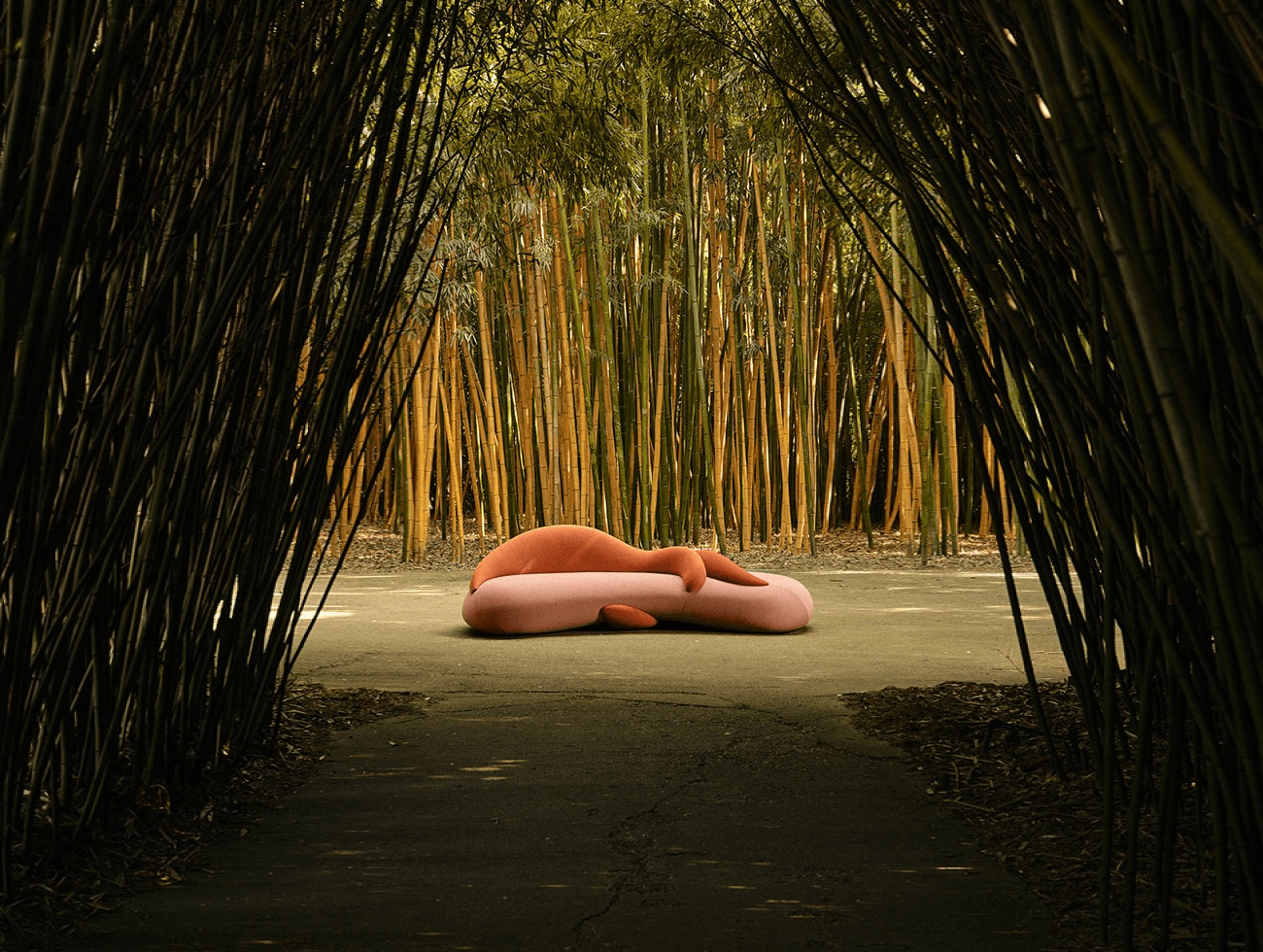
- Soft, curved silhouettes: rounded sofas, organic-shaped tables
- Mediterranean and Scandinavian influences: clean lines with warmth and texture
Think of it as a luxury version of the Mediterranean lifestyle — understated but richly layered. Whether in a compact apartment or a sprawling villa, this aesthetic translates beautifully because it’s rooted in comfort, quality materials, and timeless simplicity.
Final Thoughts
Furnishing a home isn’t just about picking beautiful pieces — it’s about understanding the space, the lifestyle, and the story the client wants to tell. An apartment demands discipline: smart choices, perfect proportions, and multi-functional design. A villa invites exploration: dedicated zones, atmospheric corners, and the freedom to design for both everyday living and the occasional grand gesture.
Whether it’s apartment furnishing or villa furnishing, the goal is the same — a home that looks intentional, feels effortless, and works for the people who live in it.
Have a project in mind? Whether it’s a cosy apartment refresh or a full villa furnishing, we’d love to hear about it. Get in touch with BE4 Design to start the conversation.