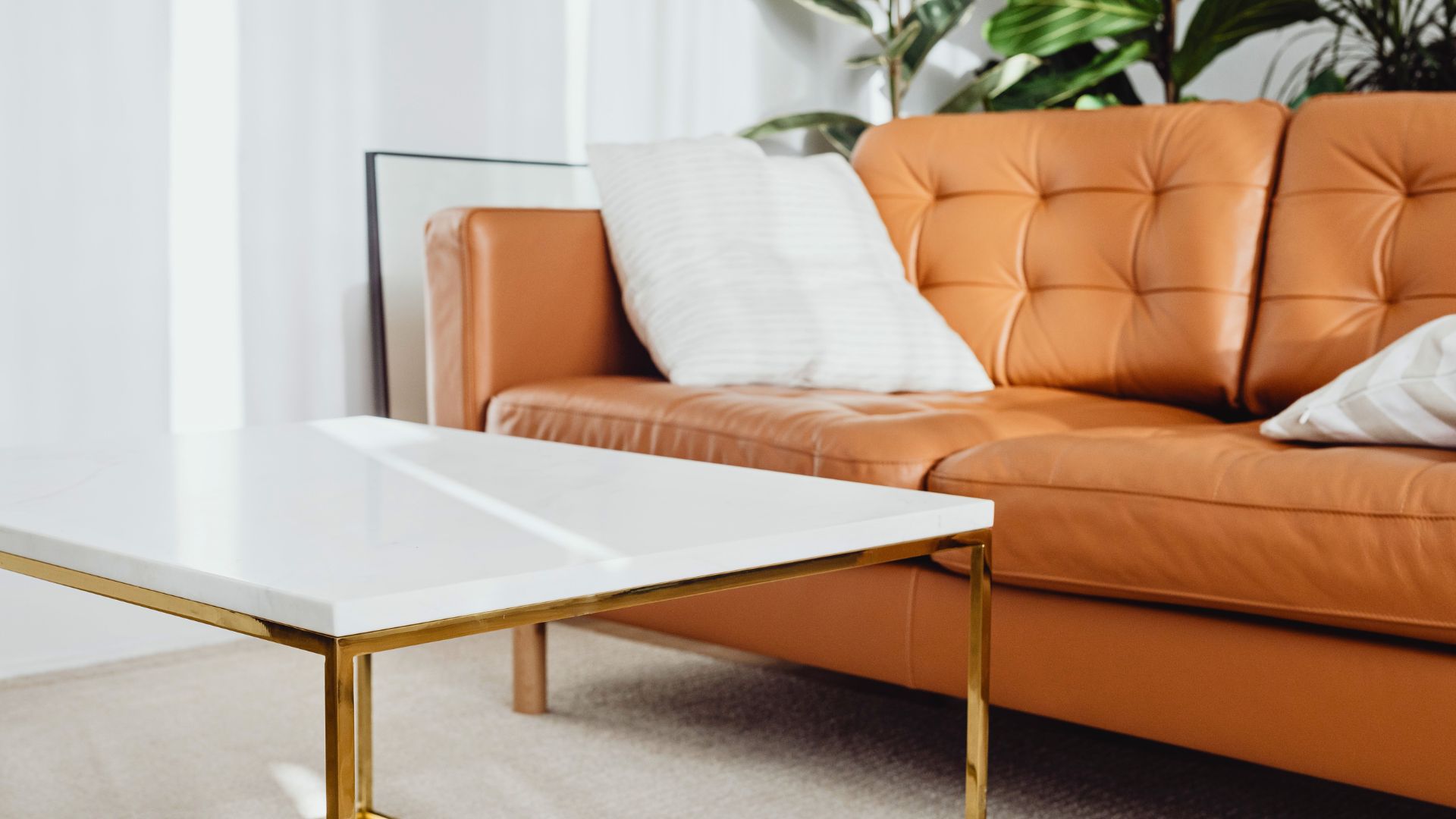
That elegant dining chair looks identical whether it’s in a home or a hotel restaurant. Same sleek lines, same upholstery, same aesthetic appeal. Yet within twelve months, the residential version will show wear, sagging, and structural weakness while its contract-grade counterpart continues performing flawlessly. The difference isn’t visible to guests—but it’s critical to operators.
For interior designers and procurement managers working on hospitality projects, understanding why contract furniture operates under fundamentally different standards than residential furniture isn’t academic knowledge. It’s the difference between projects that maintain their appearance for a decade and furniture that requires costly replacement within two years.
The Construction Reality Behind Contract Furniture
Contract furniture earns its designation through engineering decisions invisible in showroom photography but essential in high-traffic environments. Metal frames in residential furniture typically use 22- to 24-gauge steel, while contract furniture specifies 16- to 18-gauge steel—with lower gauge numbers indicating substantially stronger frames capable of withstanding constant daily use.
Wood construction reveals even more dramatic differences. Residential furniture often uses softwoods like pine or rubberwood for affordability and workability, but these materials scratch easily and lack the structural integrity demanded by commercial use. Contract furniture relies exclusively on hardwoods like maple, beechwood, and oak, with moisture content controlled to 6-7% compared to the 10-12% standard in residential pieces. This precise moisture specification enhances toughness and prevents the warping that occurs when furniture moves between climate-controlled interiors and varied environmental conditions.
Joinery methods separate residential convenience from commercial necessity. Contract wood furniture employs mortise and tenon jointing with additional reinforcement bars, creating connections that maintain structural integrity through thousands of cycles of use. Residential pieces often rely on simpler construction adequate for occasional home use but insufficient for the mechanical stress of rotating hotel guests and restaurant patrons.
Performance Standards That Define Contract Grade
Contract furniture undergoes rigorous testing by independent organizations including BIFMA, ASTM, and ANSI/UL before earning commercial-grade certification. These tests verify performance under conditions residential furniture never encounters.
Weight capacity provides immediate differentiation. Residential furniture typically accommodates up to 250 pounds, while contract furniture must support 400 pounds or more, accounting for the varying body types using public spaces and the additional stress from frequent user changes. This isn’t about exceptional circumstances—it’s about consistent reliability across thousands of different guests.
Upholstery specifications demand foam densities of 2.0-2.5 for contract furniture in restaurants and high-traffic venues, compared to the 1.8 density standard in residential furniture. Higher density foam costs more and weighs more, but provides substantially better comfort retention and durability over extended periods. The difference manifests not in initial sitting experience but in how the furniture performs after three years of continuous use.
Fire Safety: The Non-Negotiable Divide
Fire safety regulations create perhaps the starkest distinction between contract and residential specifications. Contract furniture must comply with stringent safety codes including CAL 133 certification, with foam padding meeting specific fire resistance ratings inappropriate for residential use due to cost and specification complexity.
In the UK and many international markets, upholstered contract furniture must meet Crib 5 regulations (Ignition Source 5), stemming from UK Fire Regulations of 1988. Non-compliance creates legal liability and can invalidate insurance policies—risks no hospitality operator can accept. Both wood and metal contract items incorporate flame-retardant foam and fabrics engineered for fire resistance while maintaining aesthetic appeal and comfort standards.
Residential furniture faces no comparable fire safety requirements in most markets, representing a fundamental regulatory divide that makes residential pieces unsuitable for commercial applications regardless of their initial appearance or comfort.


Surface Treatments and Maintenance Realities
Metal furniture for commercial use receives powder-coating baked at high temperatures, creating a finish substantially more resistant to rust, flaking, and scratching than residential paint treatments. The powder-coating process produces a thicker, denser surface that attracts less dust and dirt, making contract furniture both more hygienic and easier to maintain—critical factors when housekeeping staff clean hundreds of pieces daily.
Wood surfaces on contract furniture receive polyurethane coatings that protect against high wear, tear, and the frequent cleaning cycles commercial environments demand. These treatments withstand repeated exposure to commercial cleaning products that would damage residential finishes, maintaining appearance standards essential for guest-facing hospitality environments.
Upholstery fabrics for contract furniture must demonstrate performance through standardized testing. For hotels, fabrics rated at 30,000 Martindale cycles or above qualify as contract-grade, with many premium specifications exceeding 100,000 rubs. Residential fabrics rarely undergo such testing, and when they do, rarely achieve ratings above 15,000-20,000 cycles—insufficient for even moderate commercial use.
Stain resistance specifications differ equally dramatically. Contract upholstery incorporates treatments like Scotchgard, Crypton, or similar protective finishes that prevent liquid absorption and facilitate cleaning—protection rarely found in residential furniture because home environments don’t face the volume and variety of potential staining incidents commercial spaces encounter.
The Warranty Difference: Risk Allocation Made Visible
Warranties reveal manufacturer confidence in product performance. Residential wood furniture typically carries 30-90 day warranties, while contract furniture offers 1-3 year guarantees with some pieces carrying lifetime structural warranties. This isn’t marketing—it’s risk assessment based on engineering reality.
Contract-grade furniture can last 3-5 times longer than residential furniture in commercial settings, transforming seemingly higher initial costs into superior total cost of ownership. The calculation becomes stark: replacing residential furniture every two years costs substantially more than investing in contract furniture that performs for a decade.
The warranty difference also reflects replacement part availability. Contract furniture manufacturers typically offer individual replacement components—chairs, table bases, upholstery panels—allowing targeted repairs rather than complete replacement. Residential manufacturers rarely maintain such inventory, forcing complete furniture replacement for localized damage.
When Residential Fails in Commercial Contexts
The failure pattern follows predictable trajectories. Residential furniture in hotel guest rooms shows visible wear within six to twelve months—fabric pilling, frame loosening, finish deterioration. In restaurant settings, residential pieces fail even faster due to repeated movement, spills, and weight stress they weren’t engineered to withstand.
The aesthetic impact compounds over time. Fresh residential furniture photographed for marketing materials looks identical to contract pieces. But hospitality furniture must maintain professional appearance through years of daily use, frequent cleaning, and constant weight cycling—demands residential specifications simply cannot meet.
Strategic Implications for Hospitality Projects
For designers and procurement managers, the contract versus residential decision extends beyond furniture selection to project economics and brand protection. Initial cost differences typically range from 20-40% premium for contract specifications, but the reduced maintenance, replacement, and downtime expenses deliver substantially higher return on investment over the furniture’s lifespan.
The operational disruption costs of premature furniture failure rarely appear in initial budgets but significantly impact total cost. Replacing failed furniture requires coordinating deliveries, managing installation during operating hours, and potentially closing guest-facing spaces—all while maintaining service standards and guest satisfaction.
Contract furniture represents essential infrastructure for hospitality operations, not optional upgrades. The engineering, testing, materials, and construction methods that distinguish contract from residential specifications exist specifically because commercial environments demand performance residential furniture cannot provide.
At BE4 Design, our two decades specializing in hospitality furniture across the UAE means we’ve witnessed both the premature failure of residential furniture in commercial settings and the lasting performance of properly specified contract pieces. We understand the regulatory requirements, performance standards, and material specifications that separate furniture that maintains five-star appearance for years from pieces requiring replacement within months. Our access to 30+ premium contract furniture brands, combined with deep knowledge of hospitality requirements and UAE-specific compliance standards, positions us to guide projects toward specifications that deliver both immediate aesthetic impact and long-term operational value.
The question isn’t whether contract furniture costs more initially. The question is whether your project can afford the alternative.